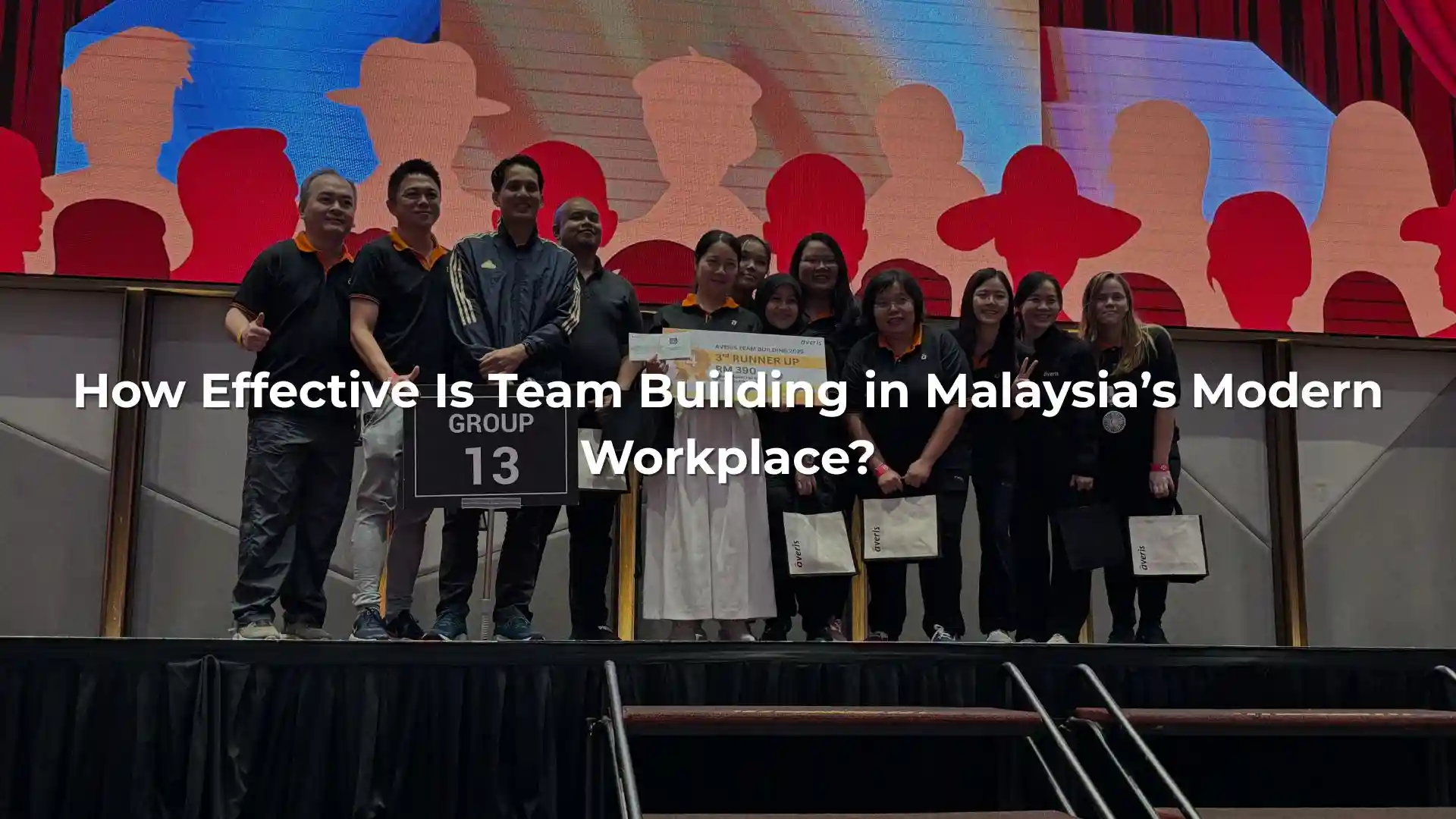
A decade ago, effective team building meant laughter, bonding, and a few group photos. Today, that’s not enough. Work has changed — teams are hybrid, communication is digital, and collaboration depends on awareness, not proximity.
An effective program now creates alignment and clarity, not just activity. It helps people slow down, notice how they work, and realign their rhythm as one team.
Learn how structured programs achieve this in what makes an effective team building strategy in Malaysia .
Malaysian teams are diverse — multicultural, multigenerational, and often scattered across cities.
That diversity fuels creativity but also miscommunication.
Language, hierarchy, and social habits affect how people share ideas or feedback.
Team building becomes effective when it honours these differences.
The activity should adapt to the team’s rhythm — not force everyone into the same mold.
When people feel seen, collaboration becomes natural.
See how awareness bridges differences in what is the real purpose of team building .
To know if team building truly works, look beyond the day itself.
Effectiveness can be read in three layers:
Layer
Question
Sign of Impact
Emotional
Did it rebuild trust and connection?
People listen and share more openly.
Behavioural
Did it reveal working patterns?
Teams reflect and adjust in real projects.
Strategic
Did it support company goals?
Teams align faster and decide with clarity.
When these three align, team building shifts from an HR activity to an organisational learning tool.
Learn more in how to tell if your team building plan is working.
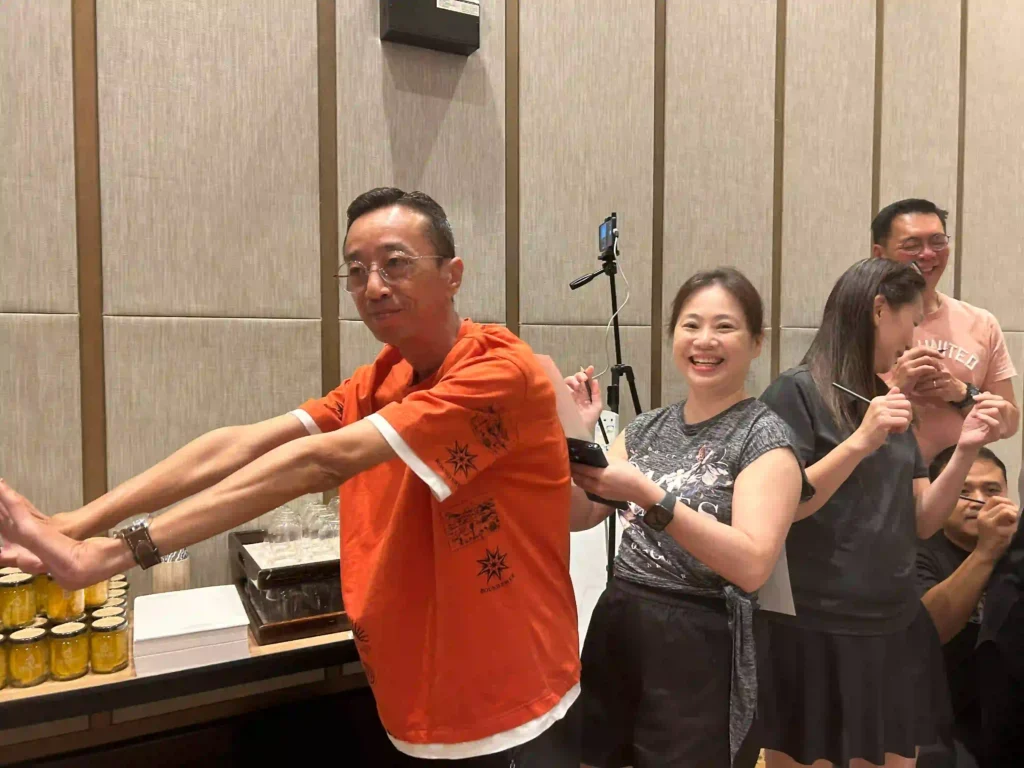
The goal isn’t to do more, but to design with intent — turning experience into awareness.
This reflection-based logic connects with can team building really improve employee performance .
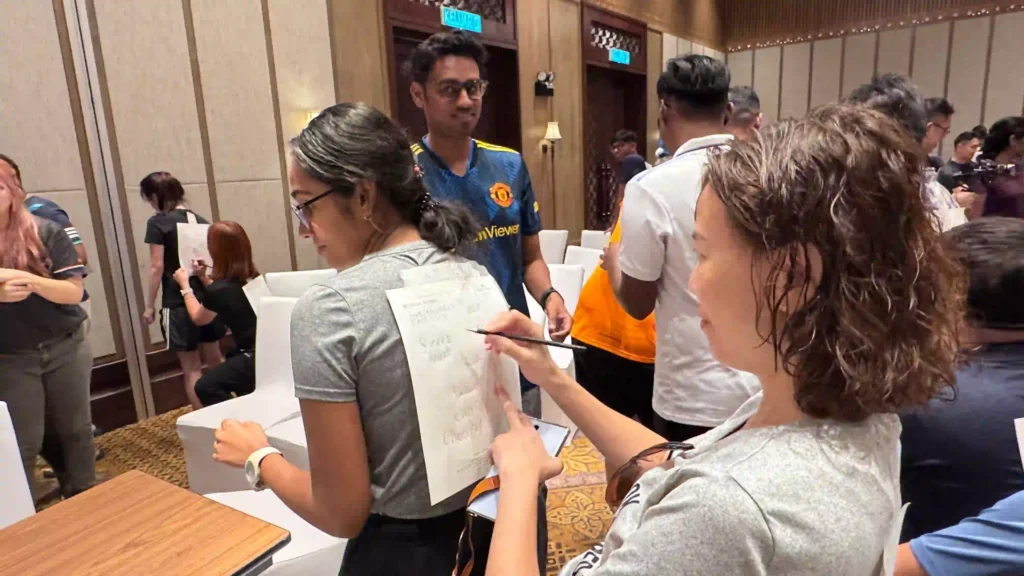
Remote work reshaped trust. When people meet less, reliability replaces presence. Consistency and empathy matter more than visibility.
Modern team building must go beyond excitement — it should create space, not just energy. A pause where people can be human again, laugh, listen, and notice one another beyond roles.
“Team building doesn’t force collaboration; it invites it.” In that calm, empathy and rhythm return — and connection becomes real.
See more in what is the real purpose of team building .
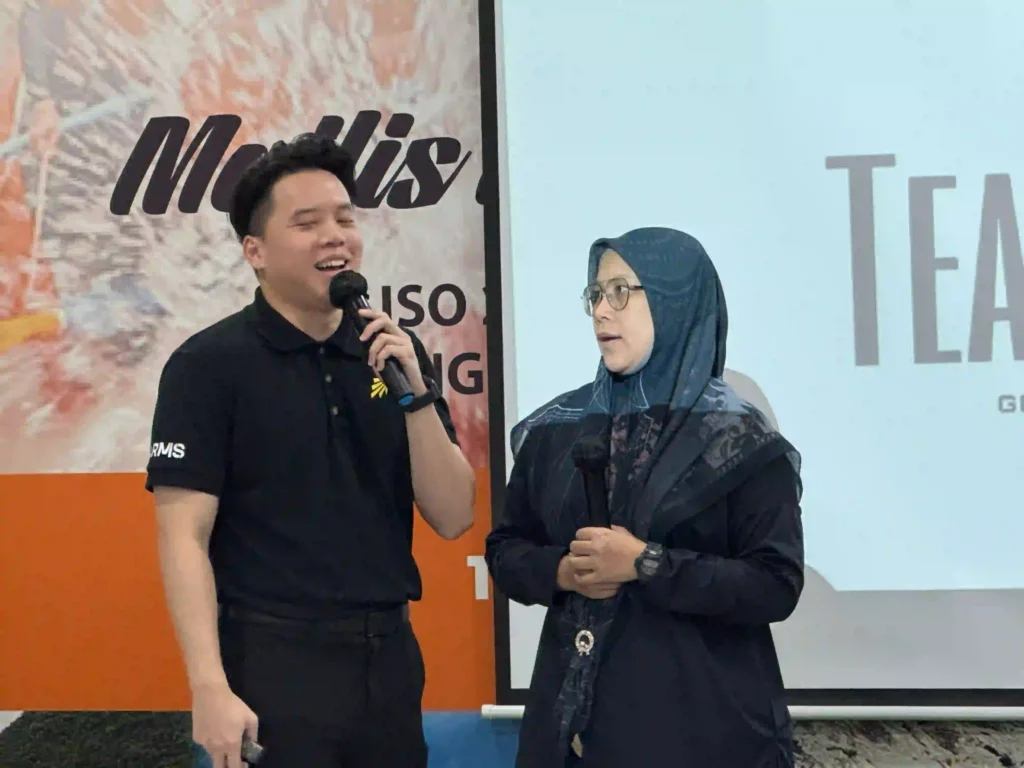
Organisational psychology points to three essential responses that make team building work:
This mirrors the Vision-Instilled Growth principle: experience awakens awareness → awareness builds competence → competence realigns purpose.
Explore this structure in what does HRDF-certified team training actually cover.
You’ll know it worked when:
When these appear, team building has become part of the team’s rhythm — not an isolated event.
See cultural reflections in what’s the difference between team building and team development .
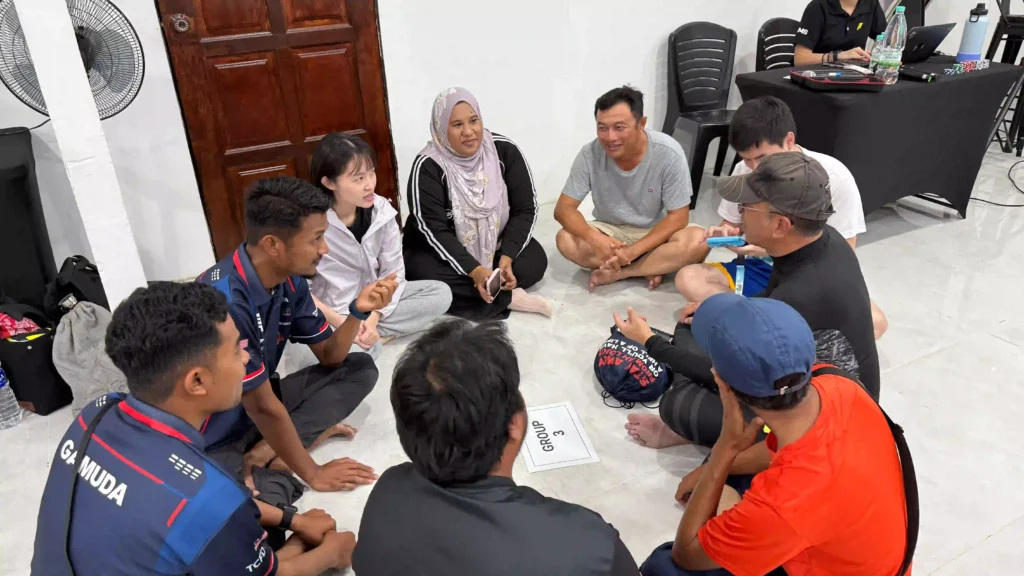
In Malaysia’s modern workplace, effectiveness isn’t about how many games you play — it’s about what kind of connection those moments awaken. Team building becomes powerful when it lets people relax enough to be real. In that honesty, trust rebuilds and communication softens.
But this doesn’t happen by chance. It takes a provider who listens — one who designs experiences around your people, your rhythm, and your vision. Not someone who runs activities, but a partner who helps you co-create meaning.
Because team building isn’t meant to become culture. It’s meant to help people rediscover the link culture is built upon — the shared sense of “us” that makes collaboration and belonging possible.