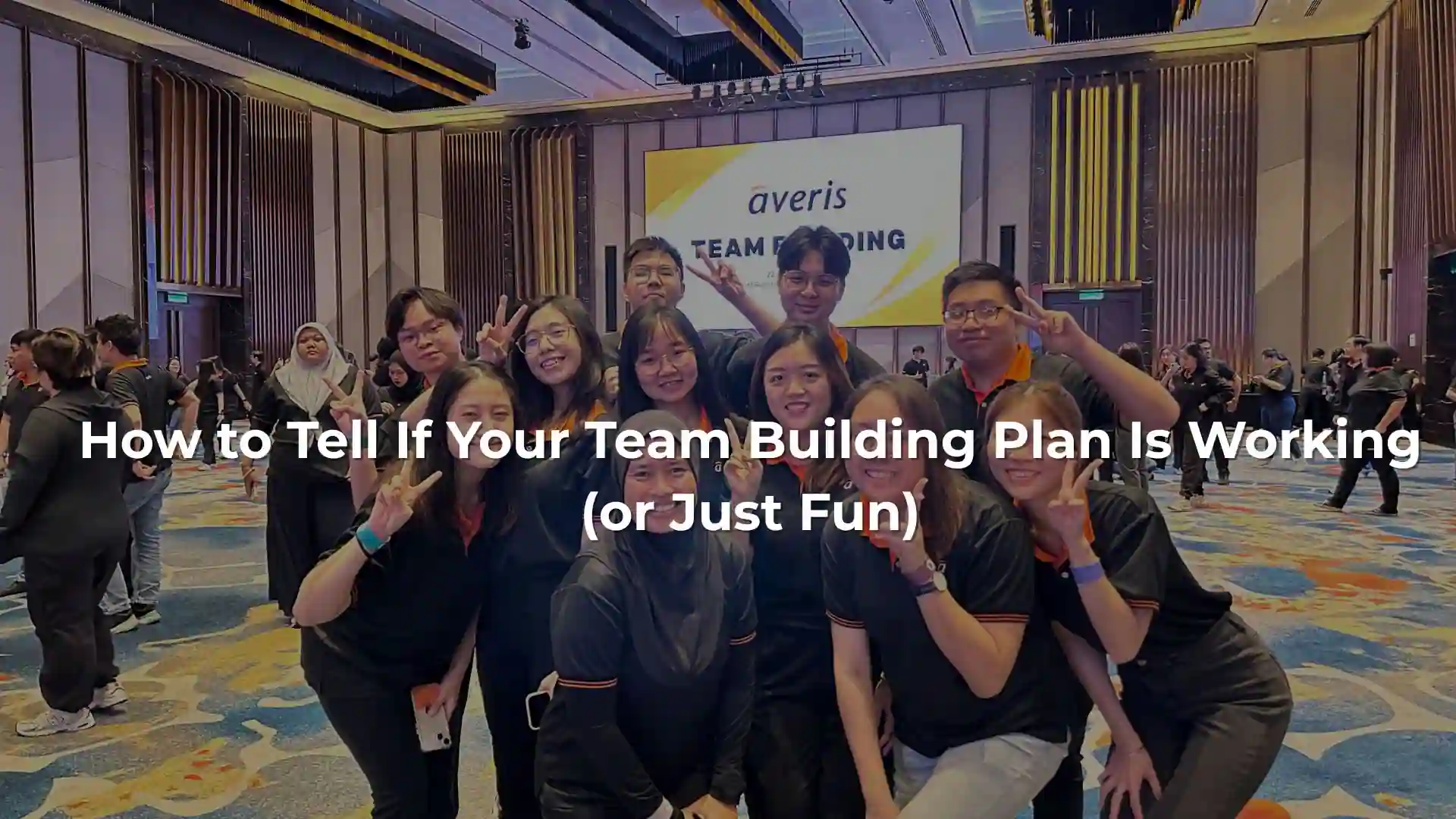
Many organisations run team building programs every year, yet few can clearly answer one question:
Did it actually change how people work?
Without reflection or measurement, team building risks becoming “corporate entertainment.” The energy fades, photos get posted — and everyone goes back to the same communication gaps as before.
To build sustainable culture, every team building plan must have clarity of purpose, criteria for success, and follow-up rhythm.
Revisit the foundation in What Makes an Effective Team Building Strategy in Malaysia .
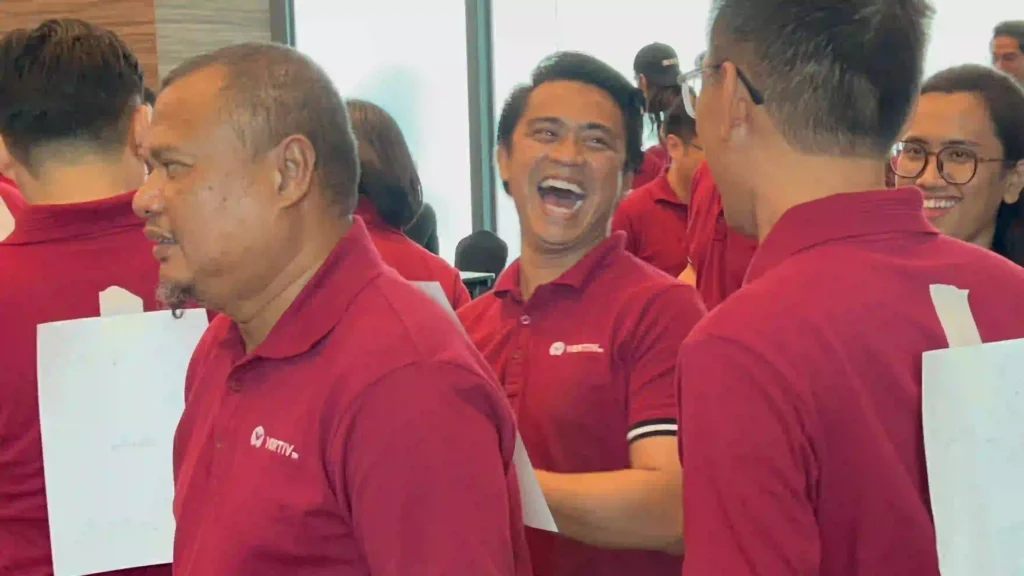
If your session ends with laughter but no learning, it may have been enjoyable — but not effective.
Look out for these signs:
Fun has value, but without insight, it rarely creates change.
Understand the deeper layer in Why Team Building Alone Can’t Solve Workplace Problems .
To know if your program works, measure beyond emotion.
Effective team building shows progress in three dimensions:
Layer
What to Observe
Why It Matters
1. Emotional Connection
Are people more open and communicative?
Builds trust and safety.
2. Behavioural Change
Do meetings and collaborations flow smoother?
Translates bonding into teamwork.
3. Strategic Alignment
Are actions clearer and faster post-event?
Shows alignment between purpose and execution.
When these layers align, team building becomes more than bonding — it becomes a development system.
Learn about linking learning to results in Can Team Building Really Improve Employee Performance? .
1. Follow-up Conversations
Hold short reflection sessions two weeks after the event. Ask:
2. Behavioural Feedback
Observe communication, punctuality, and openness.
Notice whether people bring new energy or slip back into old patterns.
3. Visible Alignment
Teams with effective team building show fewer repeated mistakes and faster consensus in projects.
4.HRDF Integration
If your team building is HRDF-claimable,
link the outcomes to measurable competencies such as communication, leadership, or adaptability.
This connects team experience with organisational learning data,
turning reflection into evidence.
See what HRDF-certified training includes in What Does HRDF-Certified Team Training Actually Cover .
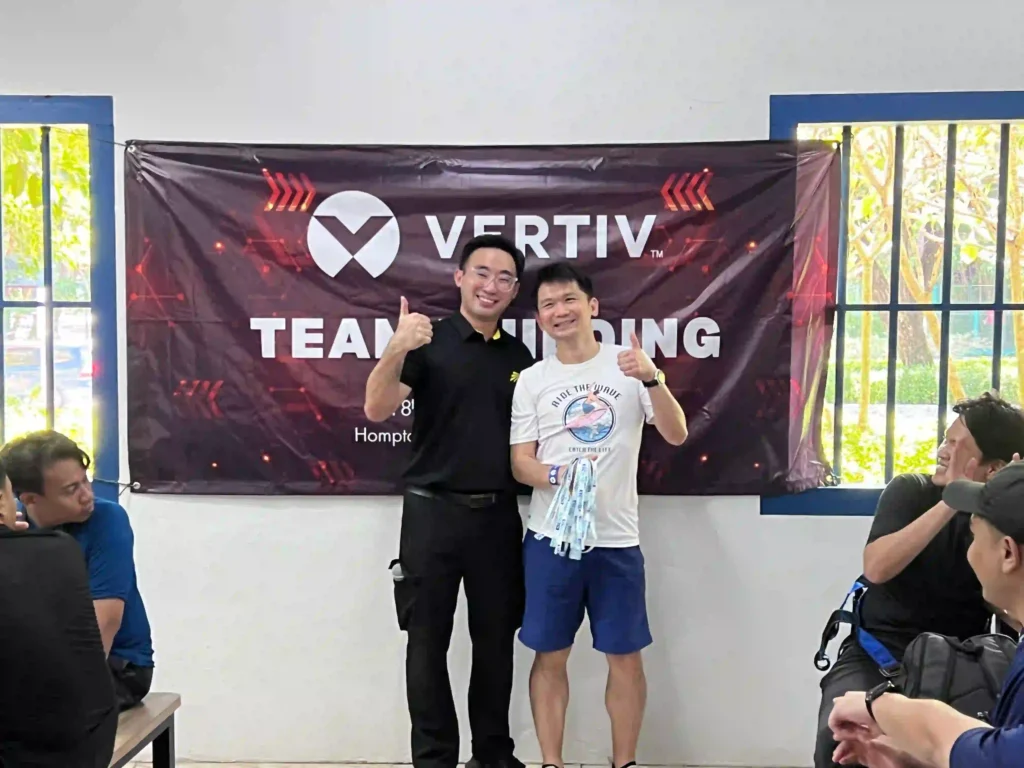
The goal isn’t just to measure — it’s to evolve. Reflection without continuity is like exercise without consistency: it fades. The most impactful organisations treat each program as part of a long-term learning rhythm — a cycle of experience → awareness → action → review.
When this rhythm becomes natural, culture starts shifting. That’s when “team building” quietly transforms into “team learning.”
Discover how this rhythm works in How Effective Is Team Building in Malaysia’s Modern Workplace.
Team building that works doesn’t just make people happy — it makes them aware of how they connect, communicate, and create together. When a plan includes reflection, measurement, and follow-up, team building shifts from being an annual routine to a sustainable development tool. Because growth doesn’t happen at the event — it happens after.
Continue exploring learning frameworks in The Ultimate Guide to Team Building in Malaysia 2025 .