Every HR manager eventually asks the same thing:
“We’ve done multiple team building programs — but do they actually improve performance?”
It’s a fair question. Performance is tangible — sales, productivity, customer satisfaction. Team building feels intangible — energy, connection, trust.
But here’s the truth: teams perform better when they function with clarity and purpose. And that clarity doesn’t come from activities — it comes from awareness. When a session helps people see how they think, respond, and influence one another, team building becomes something deeper: a mirror of how the organisation truly works.
To understand how this awareness turns into strategy, read what makes an effective team building strategy in Malaysia.

Across studies from Harvard, Gallup, and Salas et al., one thing stands out — when team building is designed to trigger shared reflection, not just participation, performance improves measurably.
The pattern is clear:
Performance follows reflection. When people understand their own patterns, they naturally align behaviour with purpose.
Many organisations still equate “team building” with “having fun.”
But fun without reflection rarely changes anything.
A real shift happens when people start noticing —
This is the Vision-Instilled layer — using experience to surface the invisible logic behind our actions. Once teams see those patterns, performance change stops being a target; it becomes a consequence.
Learn how to evaluate this reflection in how to tell if your team building plan is working .
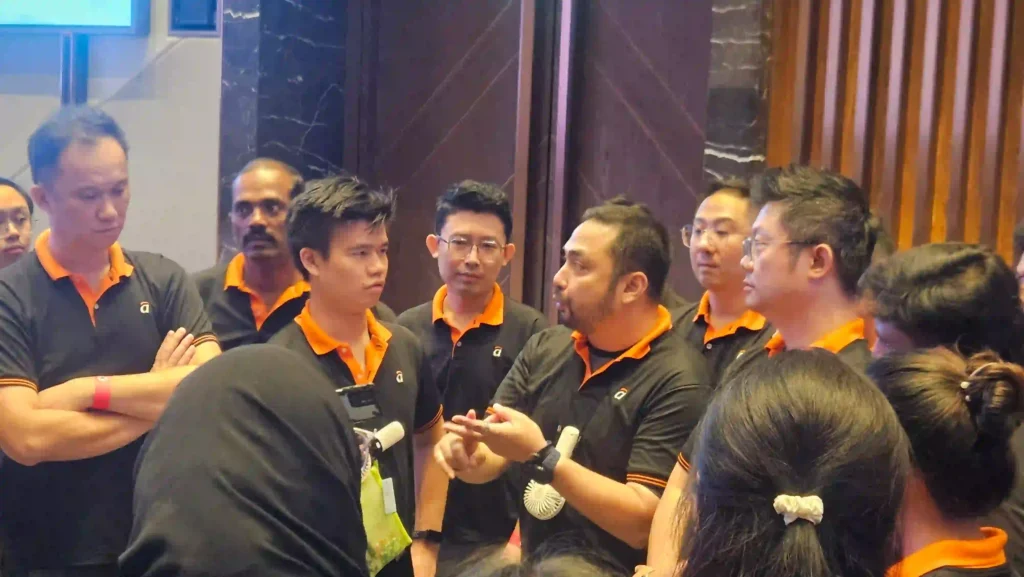
When team building is grounded in awareness, four mechanisms start working together:
This is what we mean when we say team building is not just about doing together, but thinking together. It builds the muscle for reflection — the same muscle that sustains high performance.
See how this cognitive-emotional link works in what is the real purpose of team building .
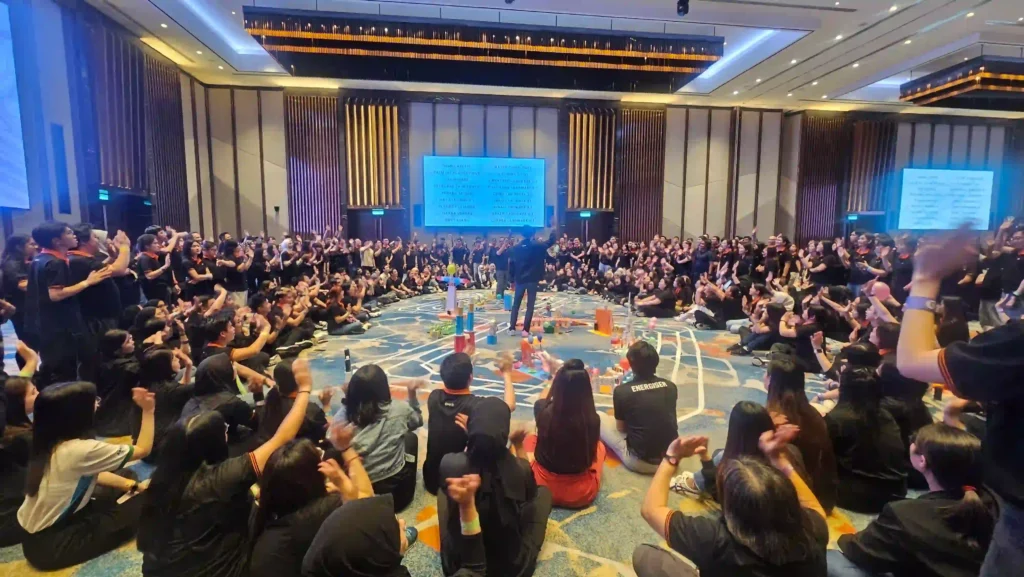
The Vision-Instilled principle treats every activity as an intentional practice:
a space to experiment with behaviours and translate insight into daily action.
When participants go through challenges that mirror real workplace pressure,
they’re not just learning how to win the game — they’re observing how they make decisions under stress.
This self-awareness, once named, becomes teachable.
That’s why the most effective programs are often paired with reflection journals, dialogue circles, or HRD Corp-aligned learning modules.
Learn how these frameworks extend impact in what does HRDF-certified team training actually cover .
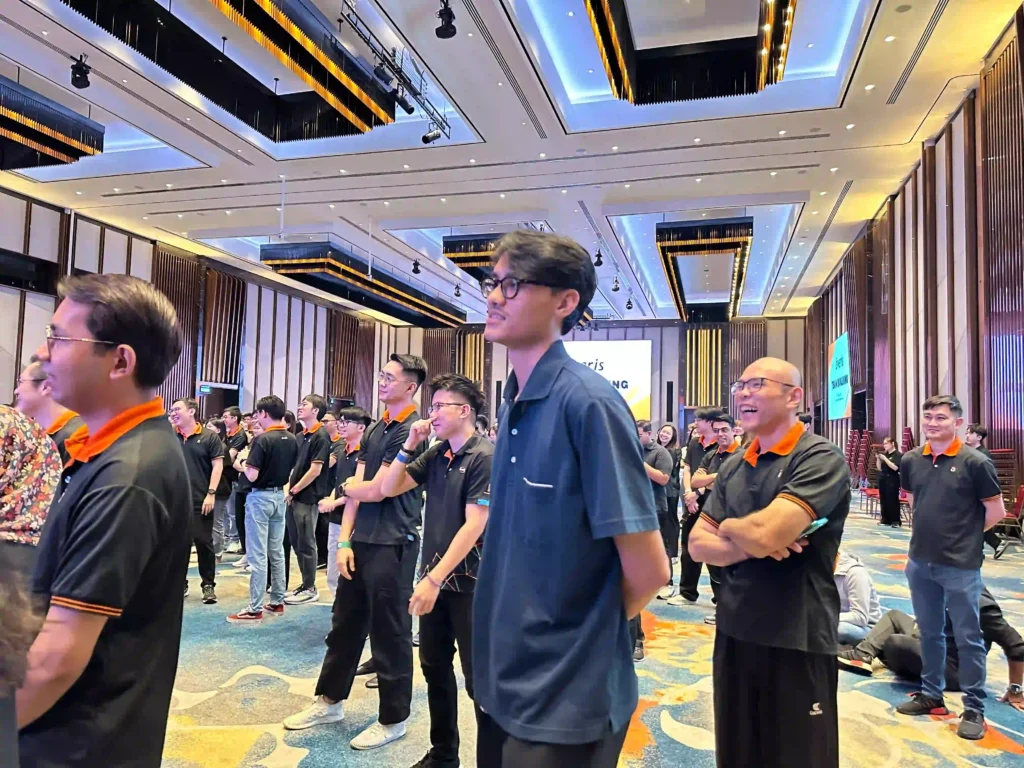
True performance is rarely about speed or volume. It’s about alignment — every person knowing why they do what they do, and how their actions contribute to a shared goal.
Team building rooted in purpose helps members reconnect with that why. It turns routine collaboration into meaningful contribution. And when people rediscover meaning, performance naturally stabilises.
Explore how purpose shapes effectiveness in how effective is team building in Malaysia’s modern workplace .
Metrics matter — but meaning sustains.Engagement surveys, project KPIs, or retention rates tell part of the story. The deeper measure lies in how people show up:
That’s when you know performance isn’t just improved — it’s instilled.
See long-term evaluation models in why team building alone won’t fix workplace problems.
Can team building really improve performance? Yes — but only when it helps people see themselves and their purpose more clearly.
When awareness is activated, habits evolve. When habits evolve, performance follows.That’s the essence of the Vision-Instilled approach:
helping teams perform not because they have to, but because they understand why they want to.