Every team building ends — but not every team leaves the same way.
So what actually happens after team building — and why do different types of sessions create such different aftereffects?
Every program carries its own emotional and behavioural curve — a pattern of how energy rises, peaks, and settles.
Each curve has its value — but also its consequence. Because what happens after depends on what kind of experience the team just went through. An effective team building strategy doesn’t chase intensity; it plans for recovery and reflection.
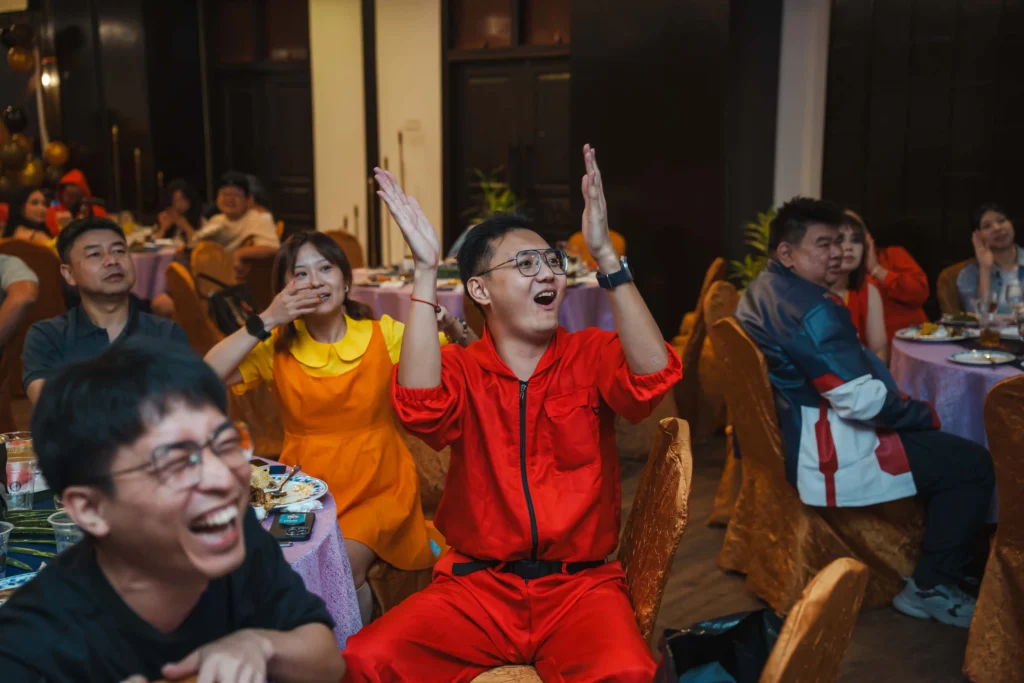
That “wow” moment — laughter, tears, breakthroughs — is what we call the spike.
It’s when the team feels connected, honest, alive. For a few hours, all the walls drop. But the spike isn’t proof of growth. It’s the door opening. If not followed by integration, it closes again.
Outdoor or high-energy activities tend to trigger stronger spikes. That’s why many organisations schedule de-stress team building sessions after major retreats — to help teams process what they felt before rushing back into daily demands.
After every emotional high, there’s a physiological and psychological dip. The body relaxes. The mind returns to work mode.
For teams that experience very strong spikes, this dip can feel like loss:
“Why can’t we feel that same connection now?”
It’s not regression — it’s recalibration. But without a follow-up rhythm, people often interpret it as “nothing changed.” That’s why a well-designed corporate training program often acts as a stabiliser — helping teams turn emotional learning into practice before it fades.
Short programs (half-day to one-day) work best for quick resets — breaking tension, realigning energy, refreshing morale.
But they rarely reach the layers where real trust or behavioural change lives. That requires time, repetition, and reflection. Multi-day retreats, or modular programs spread across months, allow teams to move through full emotional cycles — excitement, fatigue, honesty, repair.
As explored in Is a Half-Day Team Building Activity Really Effective? the value isn’t in duration alone, but in how each hour is designed to connect insight with application.
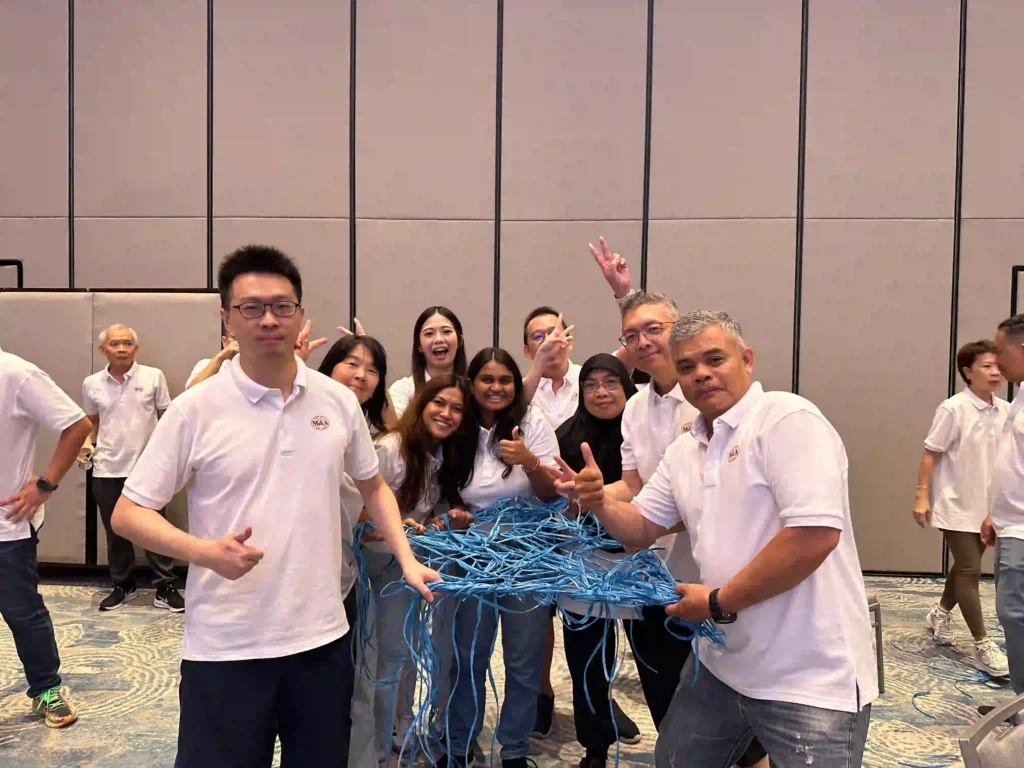
After the event, the team’s energy is malleable — but also unstable. Without structured reflection, the strongest programs lose their charge within days.
With proper integration, even short ones can reshape culture. Integration isn’t another workshop — it’s how leaders and HR create spaces for meaning to sink in:
This is what we mean by “culture continuation.” And it’s where 80% of potential impact is either realised — or wasted.
The most valuable part of team building happens weeks later — when teams start to use what they experienced.
Those are small signs of integration — and they’re the real ROI. As we discussed in How to Tell If Your Team Building Actually Worked, you know it worked not because people remember the games, but because they remember what they discovered about each other.
When planning future sessions, the goal isn’t to pick the “best” format — it’s to design for the right energy curve your team can sustain. If your workplace is tense or fatigued, start small — calm, reflective, low-stimulation. If your team is stagnant, inject challenge and novelty, but follow it with space for rest and connection.
The future of team building in Malaysia isn’t about doing more activities — it’s about managing energy with intention. Because what you design inside the event will shape what your people become after it.