Most companies measure the success of a training session by how many people attended or whether the lunch was good. However, these numbers only show short-term impressions.
To truly understand if a program worked, we must look deeper at how habits change and how team results improve over time.
A professional effectiveness measurement goes beyond "smile sheets" and looks at whether the skills learned are actually being used in the office.
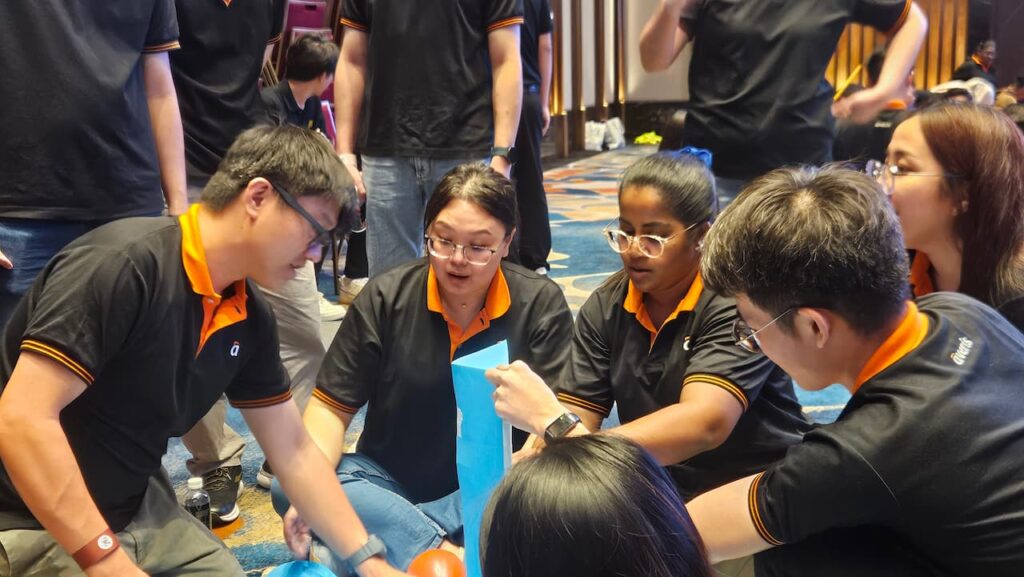
To see real growth, organizations need to focus on results that change the business. This includes observing shifts in daily behavior, how quickly new skills are applied to tasks, and the overall improvement in team effectiveness.
When employees start using new communication tools or problem-solving methods without being asked, you know the training has moved from a classroom theory to a workplace reality, as mentioned in How Team Building in Malaysia Enhances Workplace Communication.
Without a clear way to track progress, the value of training remains hidden. Many Malaysian companies utilize their HRD Corp ROI to fund these programs, but the real return is seen in increased productivity and fewer internal conflicts.
By setting clear goals before the training starts, management can see exactly how the investment has helped the company grow, making it much easier to justify future development budgets.
Measuring impact is not a one-time event; it requires a mix of observation and follow-up. Using simple tools can help keep the momentum alive:
These steps ensure that the training doesn't just end when the workshop is over, but continues to provide value through consistent training follow-up.
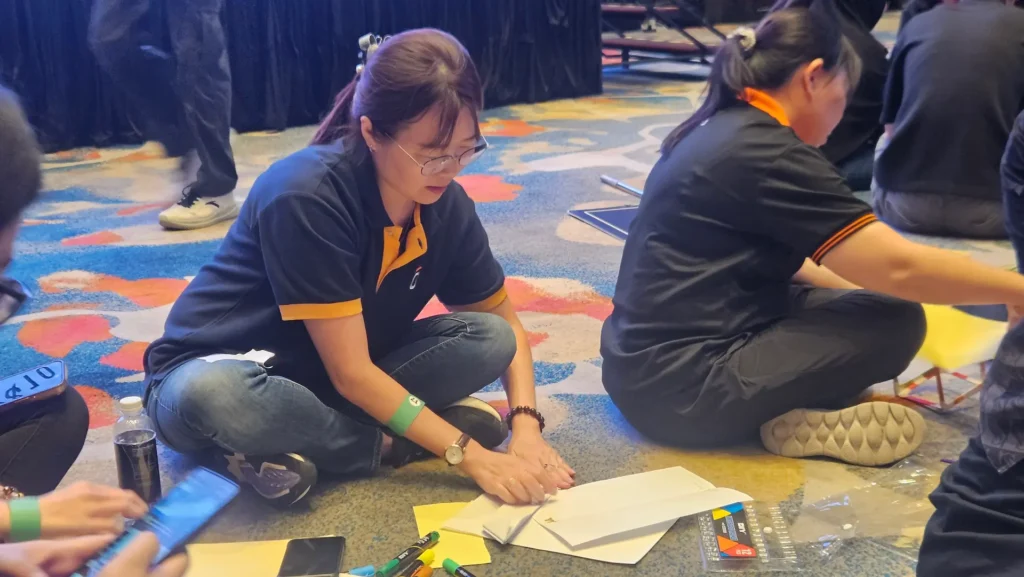
Track growth through strategic check-ins such as quarterly reviews or post-project evaluations, not just one-off surveys. This long-term approach reveals if behaviours endure months later, guiding timely refreshers to maintain mission alignment.
To help you plan your evaluation strategy, here are the most common questions HR leaders ask about when and how to measure progress:
When is the best time to conduct the first review after training?
While a “thank you” survey can be done immediately, the real review should happen 30 to 60 days later. This gives employees enough time to try the new skills in real work situations and see if they actually stick.
How often should we check in on the team's progress?
A long-term team investment works best with a quarterly check-in. Instead of a long meeting, you can include a small “behavioral update” section in your existing quarterly performance reviews to see if the new habits are still being used.
Should we review based on the event or the project?
The most effective way is to review during a Project Evaluation. By looking at a team’s performance after a major task, you can see if the training helped them solve problems faster or communicate better under real pressure.
Who should be involved in these impact reviews?
It shouldn’t just be HR. Direct managers and team leads are the most important people here because they see the daily changes. Their feedback is the most accurate way to measure if the training has truly improved the team’s work.
While a "thank you" survey can be done immediately, the real review should happen 30 to 60 days later. This gives employees enough time to try the new skills in real work situations and see if they actually stick.
A long-term team investment works best with a quarterly check-in. Instead of a long meeting, you can include a small "behavioral update" section in your existing quarterly performance reviews to see if the new habits are still being used.
The most effective way is to review during a Project Evaluation. By looking at a team’s performance after a major task, you can see if the training helped them solve problems faster or communicate better under real pressure.
It shouldn't just be HR. Direct managers and team leads are the most important people here because they see the daily changes. Their feedback is the most accurate way to measure if the training has truly improved the team’s work.
It is a common trap to believe that because a team had a great time, the training was a success. However, high satisfaction does not always mean high impact.
While a fun day is great for morale, HR leaders must look for the training impact vs satisfaction balance. A truly successful program is one that the team might have found challenging or deep, but resulted in a smarter, faster, and more unified way of working.