The real KPI of team building and corporate training is not how participants feel during the session.
It is how teams behave once they return to work.
The effectiveness is reflected in sustained behaviour shifts, decision quality, and day-to-day alignment — not momentary engagement. This is why an effective team building strategy must be evaluated as part of organisational performance, not event success.
If learning does not change how people collaborate, decide, and execute together, the program has not delivered its return.
High energy shows easily: laughter, participation, positive feedback. It feels like success. From HR view, engagement helps—but falls short.
Engagement signals readiness to learn. It does not, on its own, indicate impact.
This distinction sits at the heart of the ongoing confusion between employee engagement and performance outcomes.
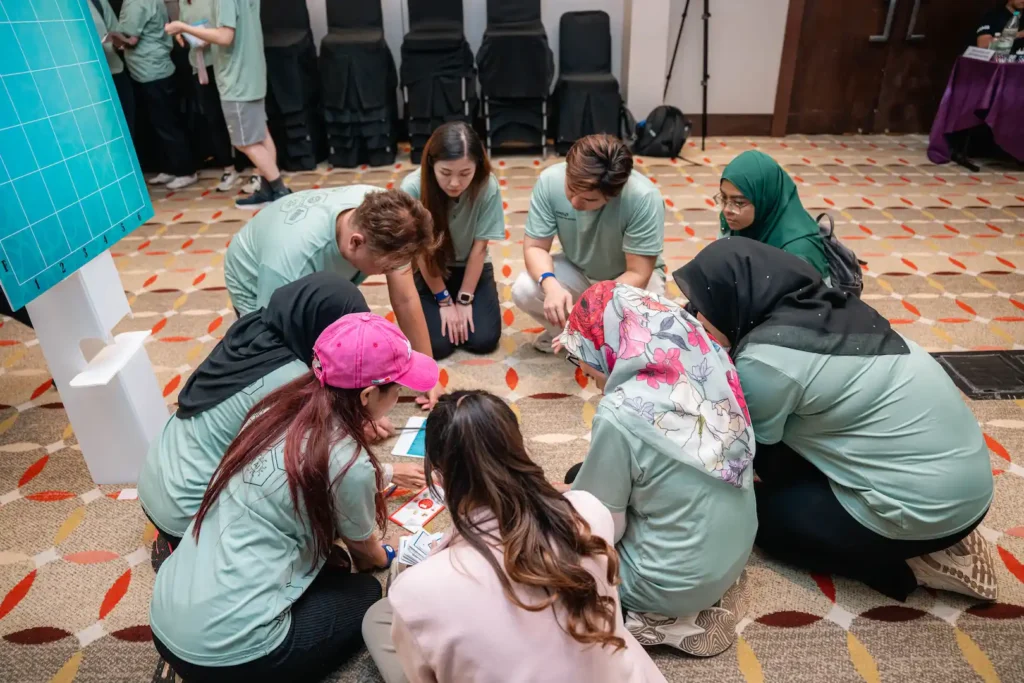
The ultimate measure of training success is not enjoyment, participation, or survey scores—it is what participants actually do back at work. Behaviour observed in real contexts reflects whether learning has truly transferred and whether organisational objectives are being supported.
Environment shapes behavior change. Even strong content fails if the setting undermines engagement, interaction, or reflection. The space silently guides how participants behave, connect, and absorb.
How can HR assess decision-making after the program?
Observe whether decisions are more timely, aligned with organisational strategy, and inclusive of relevant perspectives. Shifts in decision-making patterns indicate whether lessons on leadership, teamwork, or problem-solving are being applied in practice.
How do we know if conflict resolution behaviours have improved?
Monitor whether participants address issues constructively or revert to avoidance patterns. Effective conflict management demonstrates maturity in collaboration and the presence of psychological safety within the team.
How can accountability be evaluated post-activity?
Look at who takes ownership of outcomes. Clear accountability signals that the program reinforced responsibility, whereas persistent default habits suggest limited behavioural change.
How can HR observe collaboration under pressure?
Assess team interactions in high-stakes or stressful scenarios. True collaboration often only emerges under pressure, and observing these situations provides strong evidence of whether behavioural changes from the activity are lasting.
What overall insights do these observations provide?
Patterns in decision-making, conflict resolution, accountability, and collaboration reveal the real impact of team activities. They show whether the program has shifted behaviours in a meaningful, measurable way rather than delivering temporary engagement.
Observe whether decisions are more timely, aligned with organisational strategy, and inclusive of relevant perspectives. Shifts in decision-making patterns indicate whether lessons on leadership, teamwork, or problem-solving are being applied in practice.
Monitor whether participants address issues constructively or revert to avoidance patterns. Effective conflict management demonstrates maturity in collaboration and the presence of psychological safety within the team.
Look at who takes ownership of outcomes. Clear accountability signals that the program reinforced responsibility, whereas persistent default habits suggest limited behavioural change.
Assess team interactions in high-stakes or stressful scenarios. True collaboration often only emerges under pressure, and observing these situations provides strong evidence of whether behavioural changes from the activity are lasting.
Patterns in decision-making, conflict resolution, accountability, and collaboration reveal the real impact of team activities. They show whether the program has shifted behaviours in a meaningful, measurable way rather than delivering temporary engagement.
No behavior change after three weeks means learning didn't transfer. HR prioritize measurement over post-event feedback. Team building program effectiveness shows in observable actions, patterns, and real impact.
Motivation is emotional and temporary.
Alignment is structural and repeatable.
When teams are aligned, performance becomes more consistent with less managerial push. This is the outcome of alignment-focused training design, not motivational programming.
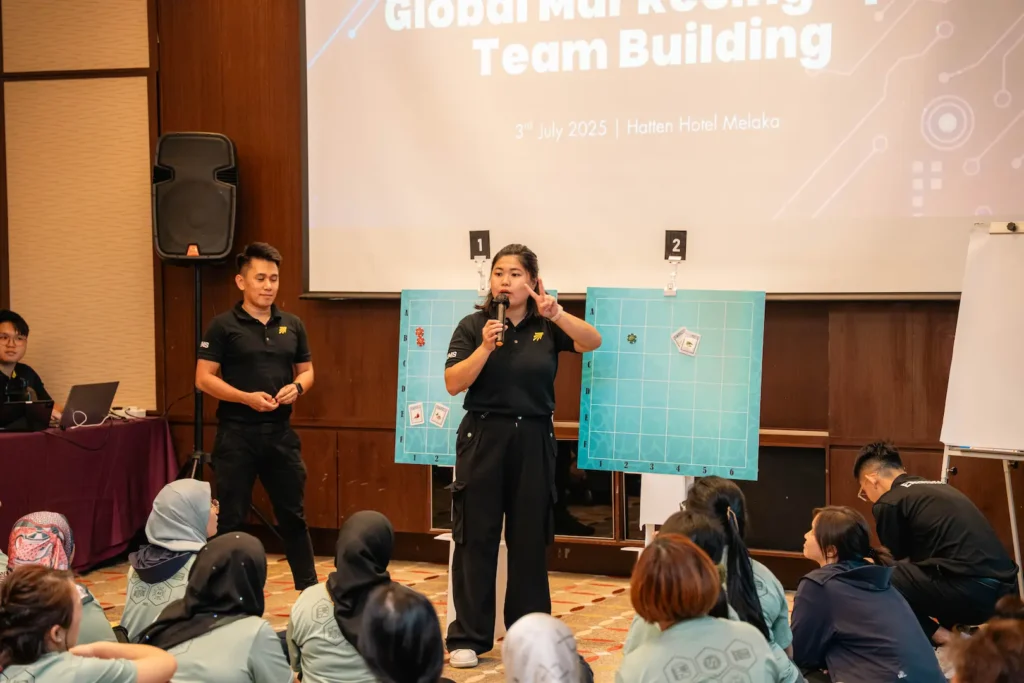
Even well-designed training fails if learning stays inside the session.
HR should look beyond content quality and ask:
How do leaders influence the sustainability of team activities?
Focus on whether tools, frameworks, and observation language introduced during the activity are actively applied afterward. An engaging session that is quickly forgotten does not support meaningful behaviour change.
How do leaders influence the sustainability of team activities?
Leaders must reinforce the same frameworks consistently in day-to-day operations. Without visible reinforcement, teams are unlikely to internalise the behaviours or insights gained during the session.
Why are structured follow-up conversations important?
Follow-ups provide a mechanism to monitor progress, address challenges, and guide teams toward continuous improvement. Activities without structured debriefs often fail to translate into actionable change.
How does the team environment affect outcomes?
Even well-designed activities struggle if the environment discourages new behaviours. Alignment of culture, processes, and incentives is essential to support sustained adoption of skills and behaviours learned.
What happens if these criteria are not met?
Activities may appear fun or engaging but will have limited impact on training objectives or organisational performance. HR should prioritise experiences that integrate content, leadership reinforcement, and environmental support to achieve lasting results.
Focus on whether tools, frameworks, and observation language introduced during the activity are actively applied afterward. An engaging session that is quickly forgotten does not support meaningful behaviour change.
Leaders must reinforce the same frameworks consistently in day-to-day operations. Without visible reinforcement, teams are unlikely to internalise the behaviours or insights gained during the session.
Follow-ups provide a mechanism to monitor progress, address challenges, and guide teams toward continuous improvement. Activities without structured debriefs often fail to translate into actionable change.
Even well-designed activities struggle if the environment discourages new behaviours. Alignment of culture, processes, and incentives is essential to support sustained adoption of skills and behaviours learned.
Activities may appear fun or engaging but will have limited impact on training objectives or organisational performance. HR should prioritise experiences that integrate content, leadership reinforcement, and environmental support to achieve lasting results.
Without intentional learning transfer support, even strong interventions decay quickly under operational pressure.
Individual insight feels meaningful.
But organisational performance moves at the team level.
Programs that improve individuals but leave team dynamics unchanged underdeliver. This is why experienced HR leaders assess team-level outcomes, not personal reflection alone.
Behaviour does not change in isolation. It is shaped by environment, facilitation, and design choices.
Misaligned venues, rushed agendas, or activity-heavy formats weaken outcomes — regardless of intent.
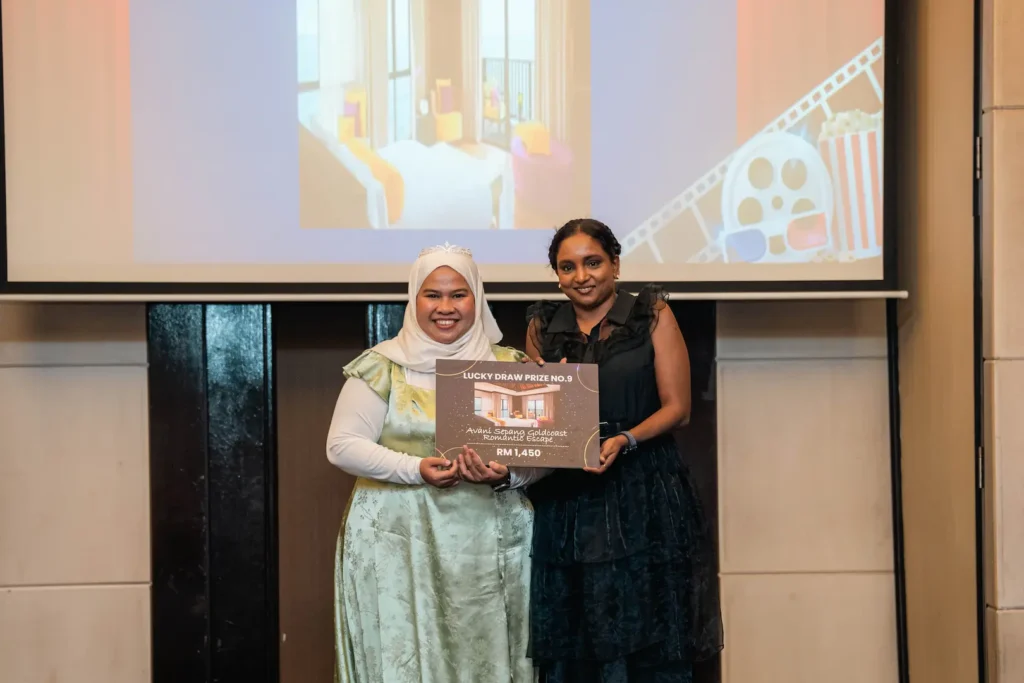
Even factors such as physical setting and cognitive distance — often discussed when selecting nature retreat environments for team learning — directly influence learning depth.
When organisations measure the wrong indicators, ineffective programs get repeated.
When programs focus on surface-level engagement rather than measurable behavioural change, the organisational impact is often disappointing.
In some cases, programs are justified purely through training ROI and compliance frameworks, rather than real capability outcomes. This creates false confidence rather than real progress.
To truly assess the effectiveness of team building and corporate training, HR must look beyond satisfaction surveys and participation metrics. Reliable KPIs focus on observable, measurable behaviours and their impact on organisational performance.
A more accurate KPI lens includes:
This shift evaluation from “Was it good?” to “Did it change how work happens?”
At this level, KPI frameworks for HR become operational tools — not reporting exercises.
In mature organisations, team building and corporate training are judged by their contribution to execution quality.
The real KPI is not how memorable the program was.
It is how reliably teams perform afterward.
This long-term view is central to an effective team building strategy focused on capability building rather than event success.
When KPIs focus on the right behaviours and outcomes, team building shifts from a standalone event into a measurable part of the performance system.