Most teams don’t fail because they lack motivation — they fail because they lack continuity.
Team building opens the mind.
Corporate training changes the habit.
Together, they create real, lasting transformation.
In many organisations, these two ideas are still treated separately: one is seen as an event, the other as education. But in fast-moving workplaces, growth depends on how well you connect the two —how experience becomes learning, and how learning becomes culture.
Team building works — but its effects fade fast. After every program, people leave inspired, motivated, and connected. But within a few weeks, the energy drops. The same communication barriers and performance gaps quietly return.
Why? Because awareness doesn’t automatically become skill. Team building helps people see what’s missing, but without a system that teaches how to change, the insight never becomes a new habit. That’s why many HR teams plan outdoor team building activities to reignite team spirit — but without structured learning to follow up, the impact rarely lasts beyond the event.
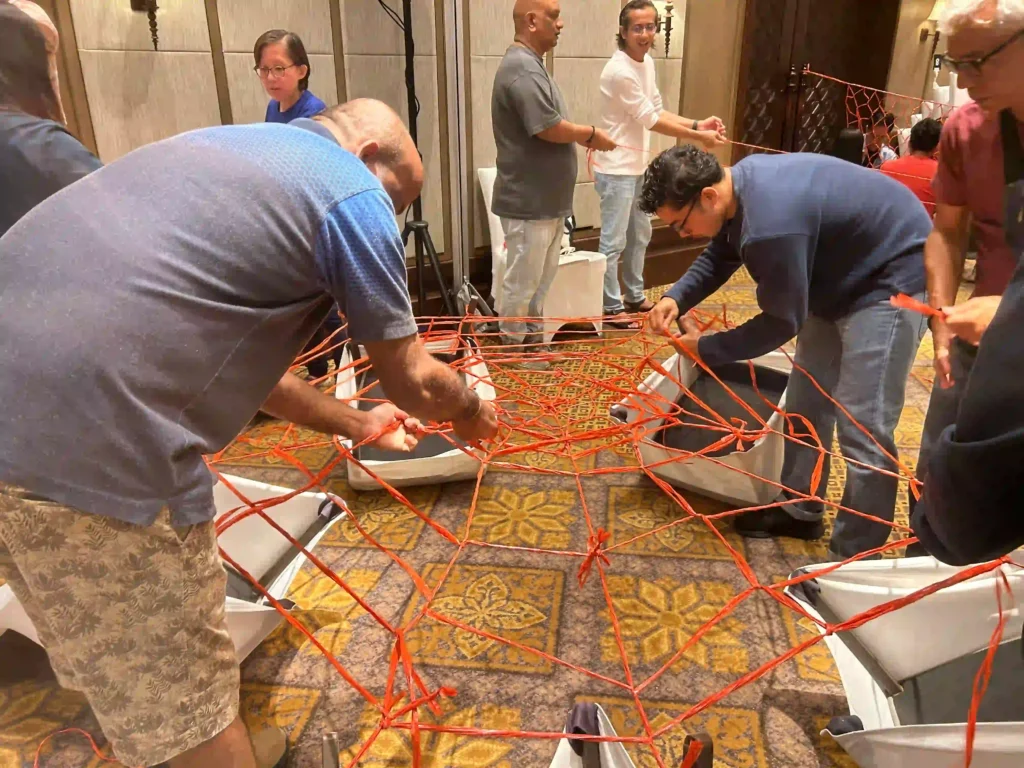
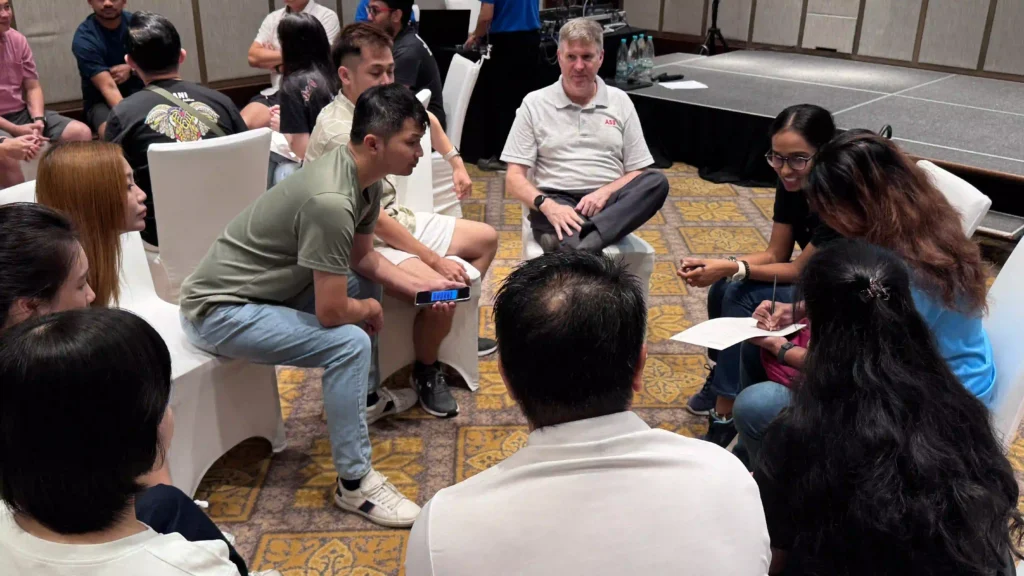
When you connect team building and corporate training, you align the emotional and the structural sides of growth.
Together, they close the gap between energy and execution. HR can even merge both into HRDF-claimable team building so experiential learning and skill development share one framework and budget. This integration is strategic, not just efficient. It turns events into systems — and memories into measurable growth.
If you’ve been running separate team activities and training sessions, try connecting them under a single objective.
When structured this way, even a basic team building package can evolve into a long-term learning system instead of a one-off event.
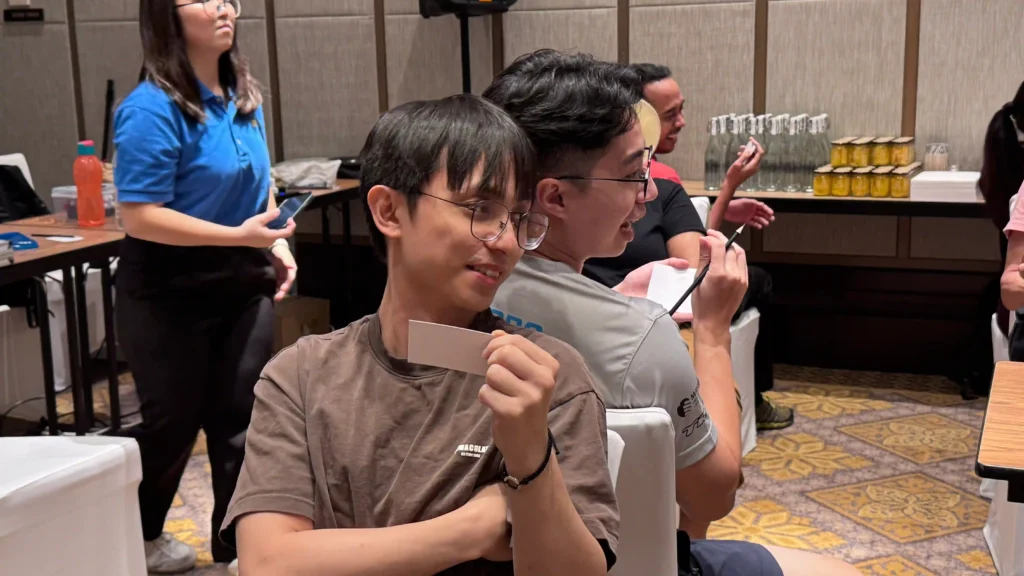
A Malaysian logistics company once struggled with cross-department communication. They began with a one-day team building idea that revealed the tension between departments. Instead of stopping there, they continued with a three-part corporate training series focused on communication frameworks and leadership alignment.
Three months later, internal feedback improved by 24%, and project turnaround time shortened by nearly half. The real change didn’t come from the activity — it came from what happened after.
Without both, teams either stay inspired but inconsistent —or efficient but disconnected.
In Vision Building’s methodology, team building is never an isolated event. It’s the emotional opening of a structured learning process —a bridge between connection and capability.
We design people solutions that turn insight into action and help organisations build a culture that keeps growing.
If your last team building sparked energy but didn’t last, connect it with a corporate training plan that turns awareness into habit.
Explore how our approach bridges experience and learning in What Makes an Effective Team Building Strategy — or reach out to us to start designing your next experience.