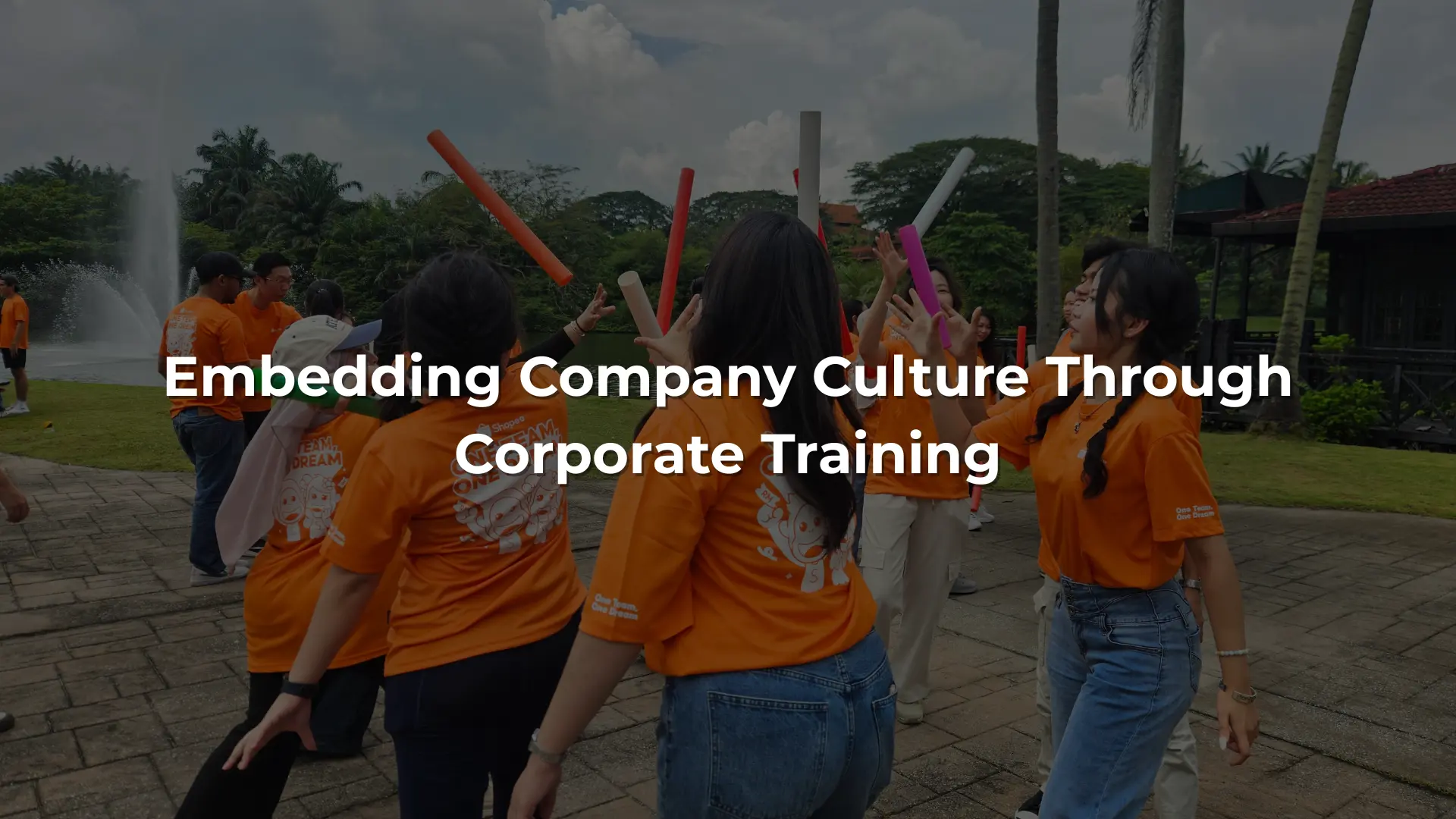
Training is far more than just delivering new skills; it is a powerful tool for shaping the way people behave, collaborate, and treat one another. Without connecting lessons to corporate values, most training programs lose their impact the moment employees leave the room.
In Malaysia, many organizations struggle because their teams lack a shared framework for trust and communication. By embedding culture into training, companies ensure that lessons translate into the everyday norms that define a healthy workplace.
To achieve this, selecting the right is a vital first step in aligning external activities with internal goals as mentioned in integrating company values into team building activities.
A strong company culture exists when corporate values move off the office walls and into the way people work. To achieve this, team training must translate abstract words into concrete workplace behaviors:
By defining these specific actions, the learning becomes a personalized roadmap. This ensures every participant understands how their individual behavior contributes to the bigger picture, especially when guided by an experienced corporate team building provider.
When training focuses on culture, it naturally strengthens the bond between team members. By aligning behaviors under a single set of values, companies can enhance engagement and reduce internal friction.
For Malaysian organizations, leveraging HRD Corp benefits allows them to invest in these programs while ensuring that the team remains unified. This cohesion is the "secret sauce" that keeps employees motivated and working toward the same long-term objectives.
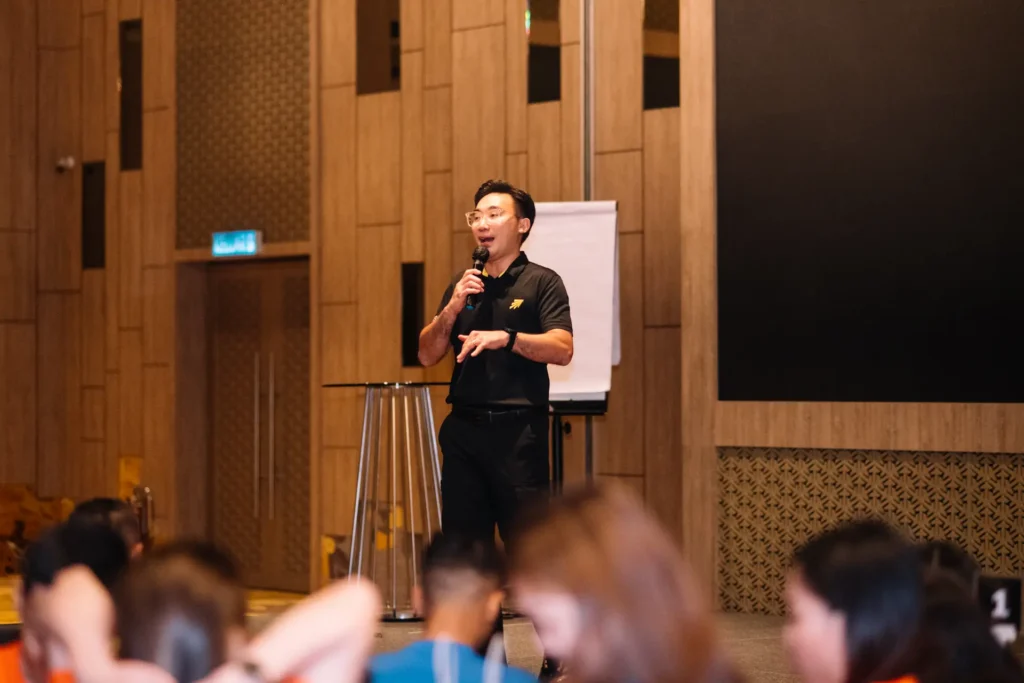
The most effective way to make culture "stick" is through stories and hands-on experiences.
Moving away from the office environment, perhaps to one of the nature retreats for teams, provides a fresh space for reflection and experiential exercises. In these settings, teams can practice their values through challenges that require real-time collaboration.
These shared memories act as a foundation for culture, making abstract values feel real and attainable.
Timing determines the impact of cultural training. Instead of a random schedule, organizations should introduce these sessions during pivotal business milestones:
When to do itWhy it is importantWhat to focus onNew Staff JoiningSet the right habits from Day 1.Helping new people learn "the way we do things here."Big Company ChangesStops people from getting confused.Making sure everyone is on the same page during a change.Hybrid / Remote WorkKeeps people feeling connected.Ensuring team alignment even if people aren't in the office.New LeadershipGets everyone behind the new boss.Connecting the team's work to the leader's new goals.
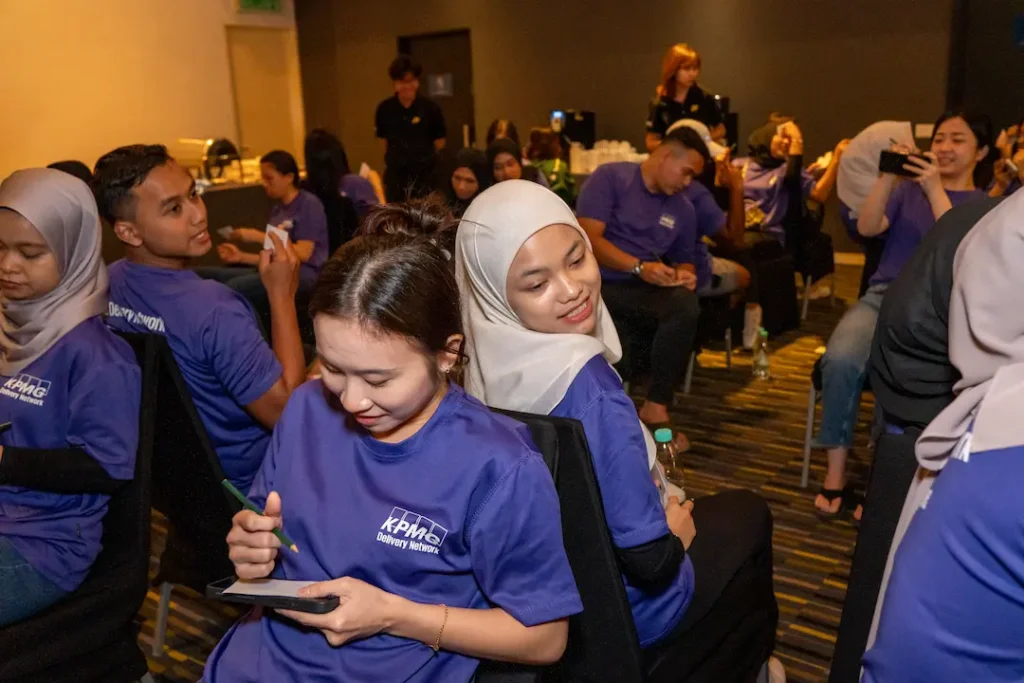
A common mistake is thinking that having a nice slogan on your website is the same as having a real culture. Real culture is about how people act, not just what they say.
Understanding the difference between team engagement vs culture is very important for HR; engagement is about making people happy, but culture is about keeping them focused on the same mission.
To make a real impact, corporate training must change how people act when things get busy or stressful by customising a program that fits your team.