The true value of corporate training isn't found in the handouts or the slides; it’s found in what happens on the Monday morning after the session ends.
Malaysia HR professionals face the "knowledge-gap"—where employees understand the theory but quickly go back to their old habits.
To fix this, training must move from just listening to a lecture to actually changing how people act every day. Learn how to align training with outcomes in effective team building strategy.
Effective corporate training acts as a bridge between intellectual understanding and daily execution. It is not enough to simply define what "good leadership" or "effective communication" looks like.
The learning process must be designed to facilitate a transition: from gaining knowledge, to taking deliberate action, and eventually forming a new habit.
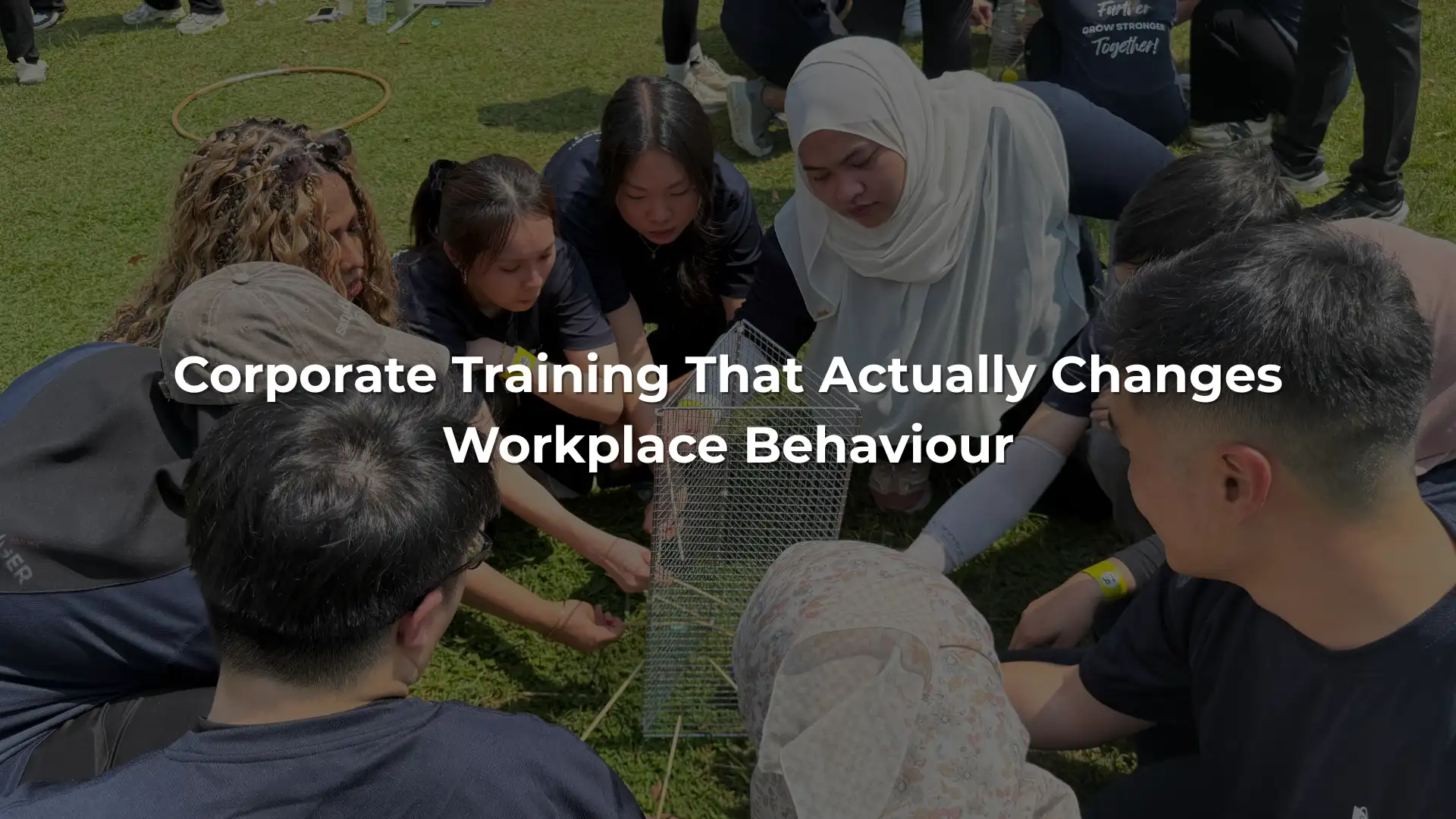
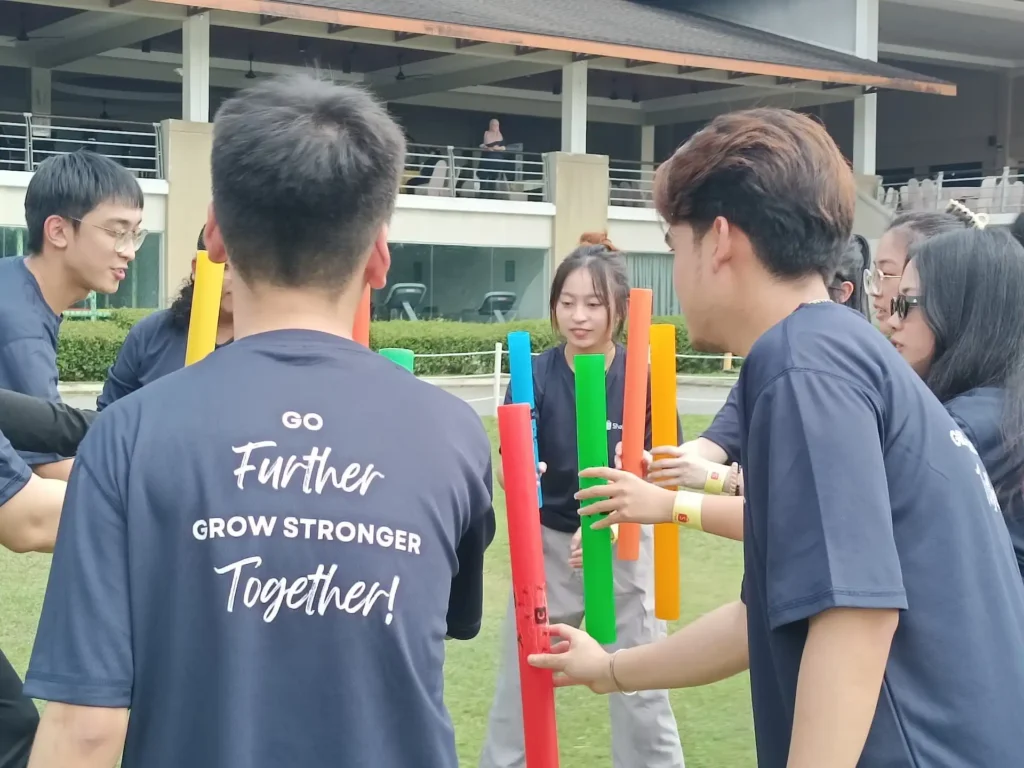
For instance, a module on strategic communication yields the highest ROI when it is immediately followed by immersive team-building exercises. These sessions allow participants to practice their new skills in a controlled, low-risk environment.
By moving the concepts from the head to the hands, the learning becomes an experiential reality rather than just an abstract concept.
The primary reason training often fails to stick is a lack of reinforcement in real-world scenarios, as mentioned in Why Team Building Sometimes Fails. Without a bridge to daily tasks, knowledge retention drops significantly within 48 hours. When actions aren't aligned with the newly learned principles, the "short-term spark" of a workshop quickly fades.
This is why a robust framework for effectiveness measurement is vital. Instead of measuring "smile sheets" (how much people enjoyed the day), organizations should look for evidence of behavioral shifts.
Are teams collaborating more transparently?
Is conflict being handled with the tools provided?
Identifying these gaps allows management to intervene and reinforce the training precisely where it is starting to slip by starting a corporate training program.
Behavioral change is not a switch that is flipped; it is a muscle that must be conditioned. To move beyond the surface level of "post-training excitement," organizations must implement a structured ecosystem that forces reflection and tests new competencies in real-time.
The most powerful tool for behavioral alignment is the "Mirror Effect." When teams move from the training room back to the office, the focus should shift to peer observation.
Growth happens when skills are stretched under load. Instead of generic games, high-impact training utilizes targeted team challenges that act as a laboratory for the workplace.
Implementation PhaseActionable MethodDesired Behavioral OutcomePhase 1: ActivationLow-Stakes Drills: Applying new communication frameworks in internal huddles.Overcoming the "awkwardness" of using new tools.Phase 2: IntegrationComplex team challenges: Solving cross-departmental simulations with strict deadlines.Moving from individual proficiency to collective synchronization.Phase 3: MasteryLive Project Application: Tying the training outcomes directly to a current business KPI.New behaviors become the "standard operating procedure" (SOP).
Reflection is only effective when it is guided by objective reality. Organizations should utilize their effectiveness measurement tools to lead "Post-Action Reviews."
By asking, "In which specific moment did we revert to our old habits, and why?" teams can diagnose the friction points in their culture. This level of deep reflection ensures that the training isn't just a memory, but a living, breathing part of the team's evolution toward the company vision.
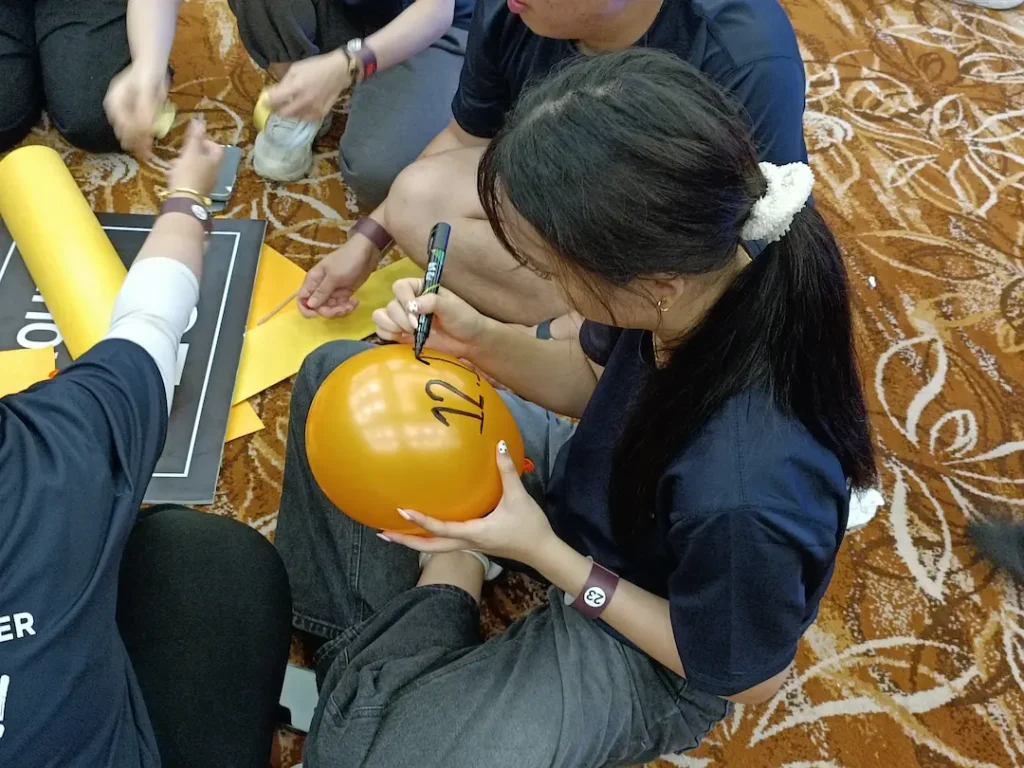
Timing is a critical, yet often overlooked, factor in the success of behavioral training. Introducing these sessions at the right moment can exponentially increase their impact. Key windows of opportunity include the immediate aftermath of a strategy workshop, during a project kick-off, or when a new team is being formed.
In recent years, more team building investment from Malaysian businesses has been directed toward these transition periods. By aligning training with these high-stakes moments, the "new behaviors" aren't seen as extra work—they are seen as the necessary tools to achieve the mission at hand.
While having a good time is important, "fun" alone won't change how people work. Real results come from knowing the difference between team building vs engagement, focusing on building skills rather than just having a party.
Training should be an investment in how your team acts, not just a break from work. By choosing effectiveness measurement over simple entertainment, you ensure the workshop energy turns into a lasting, high-performing culture.