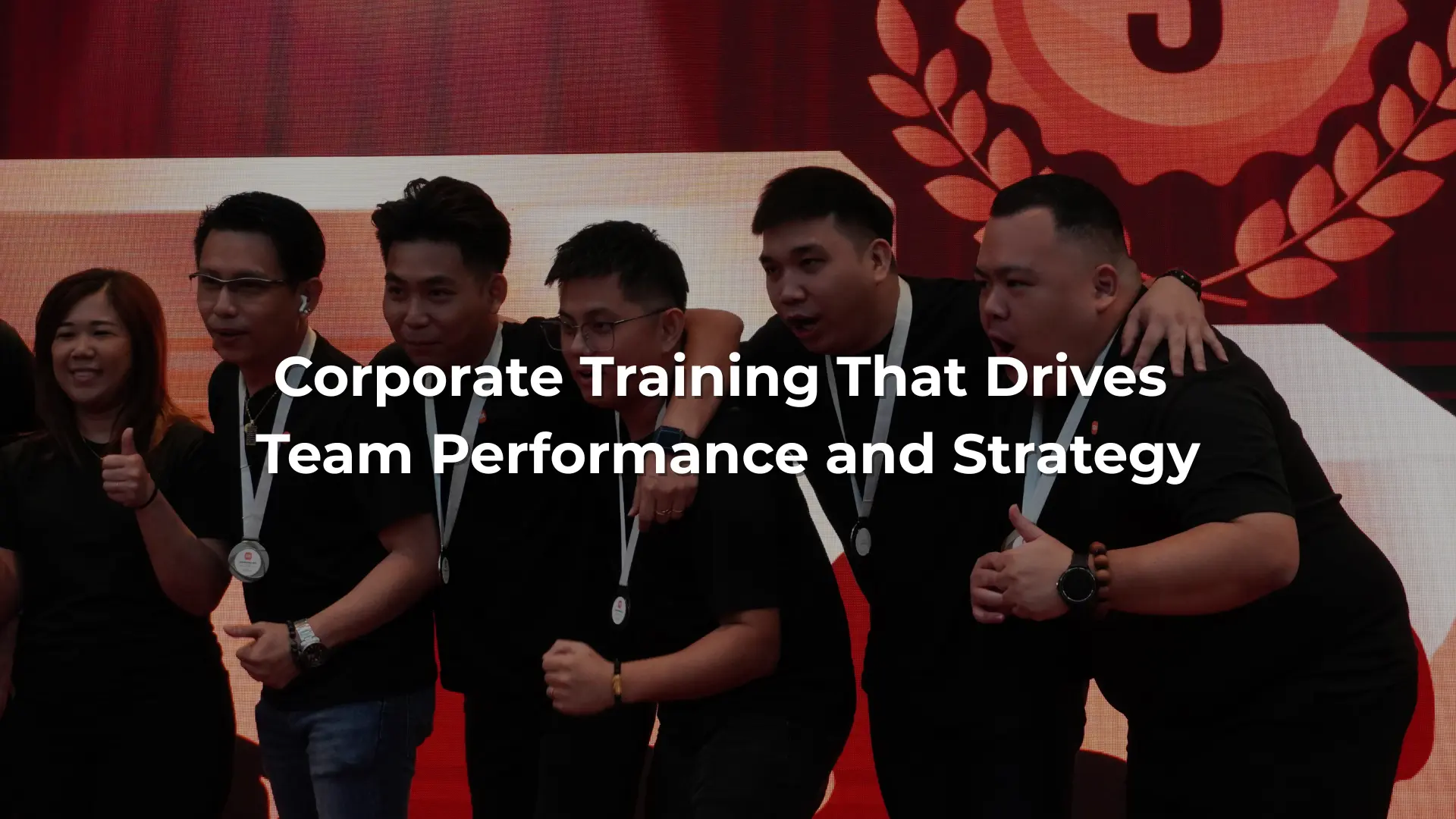
Corporate training is most valuable when it does more than just deliver knowledge—it strengthens how a team performs, reinforces the company culture, and supports the overall strategy.
Malaysian organizations run training sessions that feel productive in the classroom but fail to change how people work once they are back at their desks. Without a strong connection between the training and the team’s actual goals, new skills often stay as theories rather than becoming daily habits.
By combining structured learning with intentional follow-ups, companies can make sure employees don't just "understand" concepts but actually apply them. As shared in the team building strategy blueprint, strategic team experiences are the secret to making corporate training outcomes stick for the long term.
Corporate training provides the frameworks and tools, but team building provides the "practice ground" to test them. When you combine the two, you create a cycle of learning, practicing, reflecting, and acting. This approach directly strengthens how a team works together under pressure.
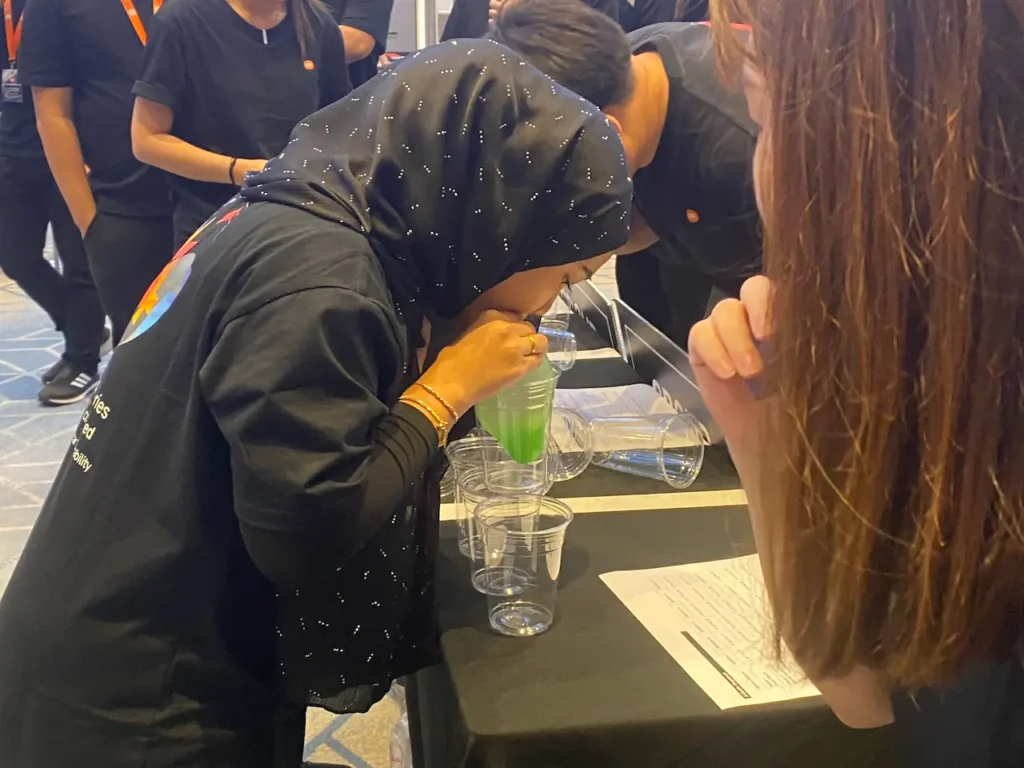
For example, choosing the right team building training allows employees to move beyond textbooks. Pair a leadership module with experiential team activities, like an outdoor decision-making challenge.
This gives managers a realistic environment to practice delegation and communication, making the lesson much more memorable than a slide deck.
Many training programs fail to create a lasting impact because they lack "context".
Employees might learn a new skill, but if they don't practice it with their colleagues, they quickly forget it. Additionally, if teams remain siloed and don't collaborate during the learning process, the training won't help the company grow.
Integrating team-building elements ensures that new behaviors are reinforced.
Experiential learning exposes teams to real-time challenges, which helps them see their own gaps and growth opportunities. This is the best way to measure training impact and ensure you are getting the full team building benefits for your organization.
To make sure your training investment actually changes the way your team works, follow these three simple principles:
Making a strategic training investment means looking beyond the day of the event and focusing on how the team will improve over the next six months.
Timing is everything when it comes to behavioral change. Training is most effective when it happens during key "turning points" in your business. It is a good idea to work with an experienced team building provider to plan sessions during:
One of the biggest mistakes is thinking training is just a one-time workshop. True impact requires constant practice and reinforcement.
Another pitfall is treating team building as "only for fun"—without strategic design, office performance won’t improve. More content doesn’t mean more impact; teaching a few things well beats overwhelming your staff.
Understanding the balance between team engagement vs training is key—fun helps people feel connected, but strategic training helps them perform.