Icebreakers aren’t just about having fun before a meeting starts. They are one of the most effective ways to set the tone for team building in Malaysia, where workplaces often bring together people from different cultural and generational backgrounds. By breaking down walls and adding moments of laughter, icebreakers create the safety people need to open up — which is what allows teamwork and collaboration to grow.
In Malaysian teams, it’s common for people to stay within their own group or department. An icebreaker interrupts that pattern, giving everyone a reason to interact across boundaries and discover unexpected connections. Think of it as a reset button: shifting the room from quiet formality into energy, openness, and trust.
The following 6 icebreaker games are not only fun to play, but each also carries a deeper purpose — building inclusion, sparking communication, and setting the stage for stronger collaboration.
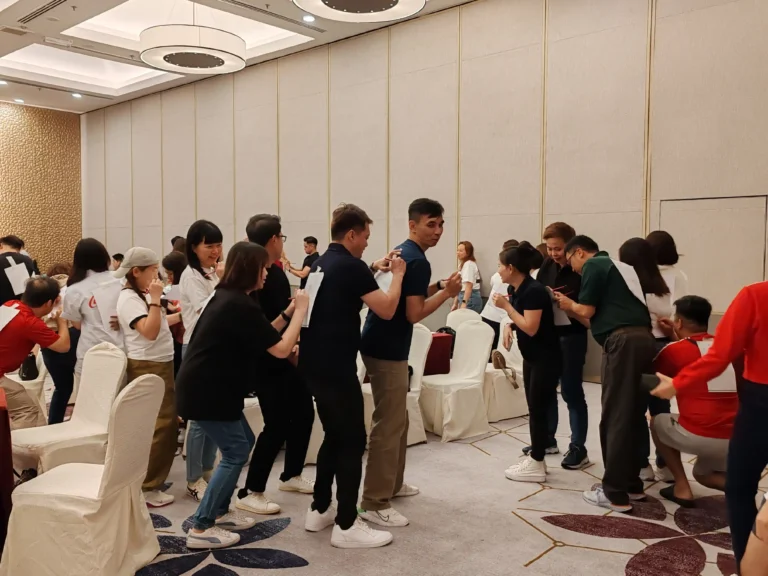
Concept: Everyone gets a piece of paper taped to their back. Colleagues write down their first impressions or positive traits about that person.
Objective: Trust, inclusivity, openness.
Why it works:
Malaysia context: In many local workplaces, employees tend to hold back opinions. This activity gives them a safe, positive way to share how they see each other.
Facilitator’s Tip: Always frame the exercise with positivity — ask people to focus on strengths or qualities they admire. This ensures no one feels uncomfortable.
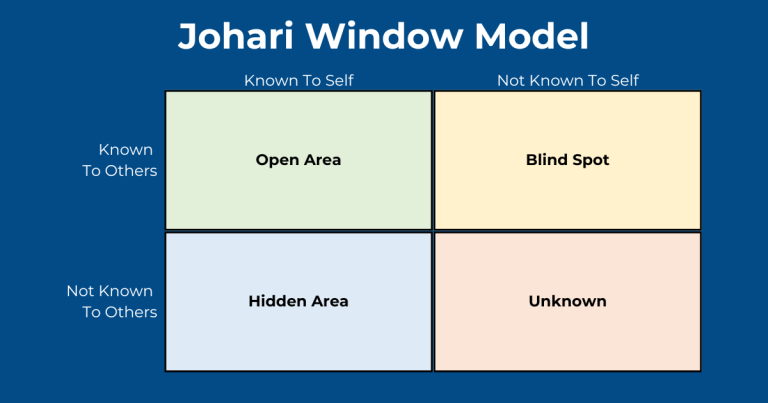
Concept: Participants choose adjectives to describe themselves. Others add feedback into the “blind area” of the Johari chart.
Objective: Self-awareness, team bonding, open communication.
Why it works:
Malaysia context: In corporate Malaysia, giving and receiving feedback can be difficult. This structured tool makes it easier to talk about perception without conflict.
Facilitator’s Tip: Start with small groups (4–6 people) to make sharing more comfortable. Large groups may intimidate participants.
Concept: Everyone creates a fun “trading card” about themselves with strengths, quirks, and fun facts. They exchange cards with others.
Objective: Quick connections, playful introductions.
Why it works:
Malaysia context: Teams with mixed generations (Gen Z + senior staff) often struggle with introductions. The trading card format bridges the gap, making the process less formal and more fun.
Facilitator’s Tip: Provide templates to save time. Encourage participants to include one “unexpected fact” — this sparks conversations later.
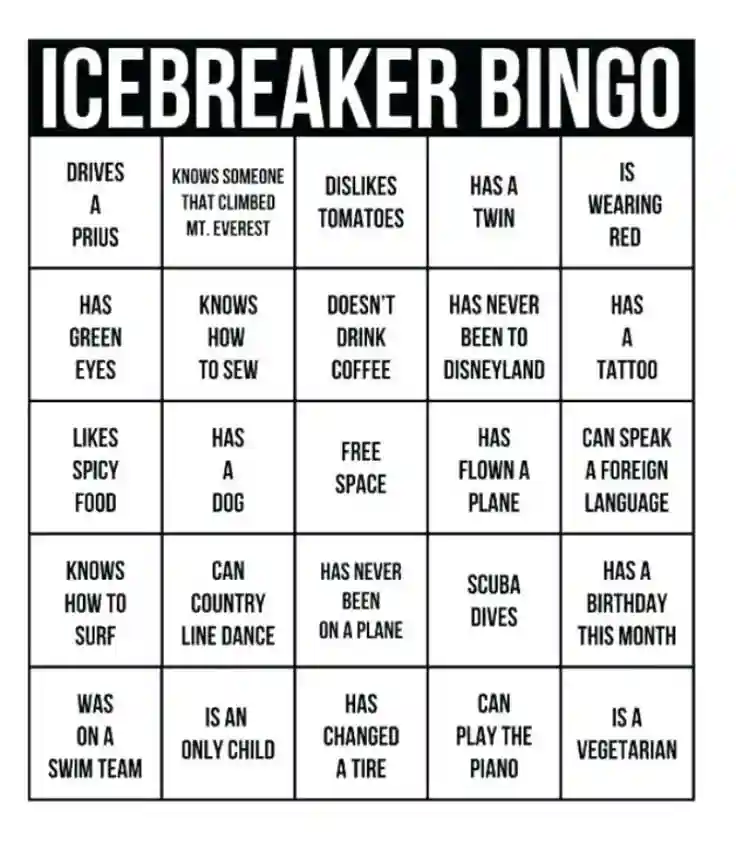
Concept: A bingo sheet with prompts such as “Has a pet cat” or “Can speak more than two languages.” Participants mingle to find people who match.
Objective: Movement, interaction, inclusivity.
Why it works:
Malaysia context: In big corporate workshops(50+ participants), many people stick to their own department. Human Bingo forces interaction across silos.
Facilitator’s Tip: Customize the bingo prompts with local flavor — like “Loves nasi lemak” or “Has been to Langkawi.” It adds humor and relatability.
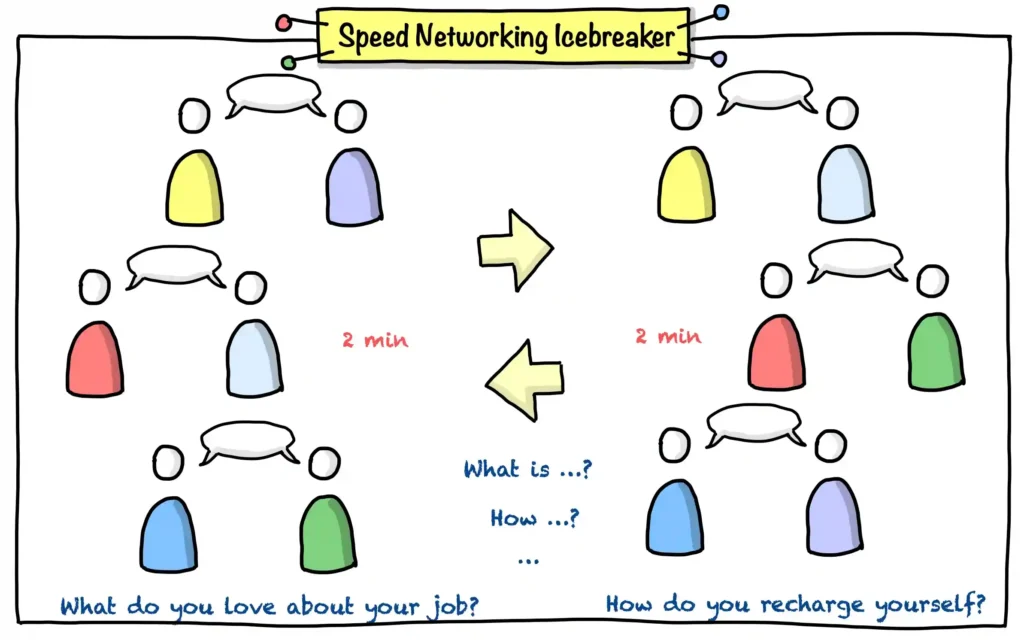
Concept: Participants pair up for 2–3 minute conversations before rotating to the next partner.
Objective: Quick connections, communication practice.
Why it works:
Malaysia context: In local organizations, junior employees may hesitate to approach senior managers. Speed networking gives them permission to connect in a safe, structured format.
Facilitator’s Tip: Use a bell or timer to manage the flow. End with one round where participants reconnect with someone they want to talk more deeply with.

Concept: Teams build the tallest spaghetti-and-marshmallow tower.
Objective: Teamwork, problem-solving, creativity.
Why it works:
Malaysia context: Works especially well in mixed teams (finance + marketing + HR). It highlights how diverse thinking leads to stronger solutions.
Facilitator’s Tip: Give teams only 18 minutes. The time pressure is key to driving collaboration and creativity.
Icebreakers are more than warm-up games — they are tools to create energy, openness, and trust. In Malaysia’s diverse workplace environment, the right activity helps teams break silos and connect across departments.
Whether it’s discovering first impressions, sharing quirky facts, or tackling a marshmallow tower, these seven icebreakers have proven to energize groups and set the tone for stronger teamwork.
👉 Looking for more ways to design impactful activities? Explore our [Ultimate Guide to Team Building in Malaysia].